Free 1GB eSIM inside app





The Ultimate South Korea Travel Guide: Everything You Need for Your First Trip
April 23, 2026
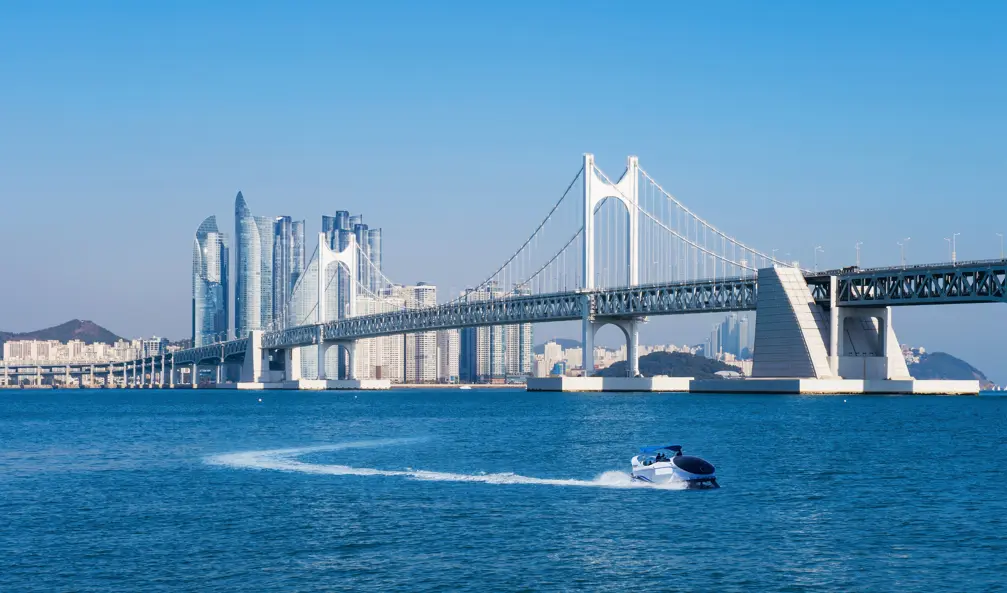
There has never been a more exciting time to visit South Korea. In 2026, the "Korean Wave" (Hallyu) has matured from a global trend into a lifestyle. Whether you were drawn here by the high-energy choreography of K-pop, the cinematic storytelling of K-dramas, or the ancient, serene history of the Joseon Dynasty, Korea offers a unique blend of high-tech futurism and deep-rooted tradition.
Traveling through Korea has become incredibly accessible for international visitors. With the expansion of new eco-friendly hiking trails through Bukhansan National Park and the constant evolution of Seoul’s vibrant neighborhoods like Seongsu-dong (the "Brooklyn of Seoul"), 2026 is the perfect year for an adventure. Korea is a place where you can explore a 14th-century palace in the morning and visit a neon-lit, AI-integrated "smart district" by night.
As a first-timer, you might feel a mix of excitement and "travel jitters," but rest assured: Korea is consistently ranked as one of the safest and most hospitable countries in the world. This guide is designed to remove the guesswork, helping you navigate like a local expert from the moment you touch down at Incheon International Airport.
Essential Pre-Departure Checklist
Before you pack your bags, a little preparation goes a long way in ensuring your trip is smooth and stress-free.
Visas & K-ETA
As of 2026, entry requirements have become more streamlined. Many Western countries currently benefit from a K-ETA (Korea Electronic Travel Authorization) exemption or a simplified application process for short-term tourism. Always check the latest official government portal a few weeks before your flight to confirm if your nationality requires a quick online registration.
The Currency & Budget
South Korea offers a high-quality experience for various price points. To help you plan, here is a rough estimate in USD:
- Accommodation: $50 - $150 per night
- Food: $5 - $15 per meal
- Transport: $1 - $3 per ride
- Attractions: Often free or under $10
You can comfortably travel without overspending, especially if you mix local restaurants, public transport, and mid-range hotels.
Staying Connected: The "Local Expert" Pro-Tip
One thing every seasoned traveler will tell you: Google Maps does not work for walking directions in Korea. Due to local security regulations, Google Maps is limited (and even though the restrictions are being lifted, it will still be a bit more easy to use Naver Map or Kakao Map). To find that hidden bakery or the right subway exit, you must use local apps like Naver Map or KakaoMap.
To use these high-data apps smoothly, a reliable connection is mandatory. While public Wi-Fi is common in Seoul, it can be spotty when you're actually on the move.
So, you have two main options:
- Physical SIM card (buy at airport or store)
- eSIM (set up before arrival)
Many travelers now prefer Korea eSIMs because they’re faster and more convenient. With providers like Maaltalk, you can activate your data plan instantly and there is no need to visit a store or swap SIM cards after landing.
It’s a small step that makes a big difference, especially when you’re navigating a new country for the first time.

Best Time to Visit South Korea
The best time to visit Korea depends on what kind of experience you're looking for:
Spring (March - May)
Cherry blossoms transform cities into pastel landscapes. It’s one of the most popular (and photogenic) times to visit.
Summer (June - August)
Expect heat and humidity but also festivals, beach trips, and lively nightlife.
Fall (September - November)
Arguably the best season. Cooler temperatures and vibrant autumn foliage make it perfect for exploring.
Winter (December - February)
Cold but charming. Think snow-covered streets in parts of the country, fewer crowds, and ski trips outside the city.
Navigating Like a Local: Apps & Transport
The Magic of the T-Money Card
Your first stop at Incheon International Airport should be a convenience store to buy a T-Money card or one of the newly released Climate Cards. This is a rechargeable card used for all subways, buses, and even some taxis. Just tap on and tap off. It’s affordable, efficient, and saves you the headache of buying individual tickets.
Essential Apps to Download Now
- Naver Map or Kakao Map: The gold standard for navigation and finding restaurant reviews.
- KakaoTaxi: The Korean equivalent of Uber. Having a Maaltalk Korea eSIM makes this stress-free because you can track your driver’s location in real-time and receive notifications without needing a local phone number.
- Papago: The most accurate translation app for Korean. It even has an image-to-text feature for reading menus!
Top Destinations for First-Timers
Seoul: The Heartbeat of Korea
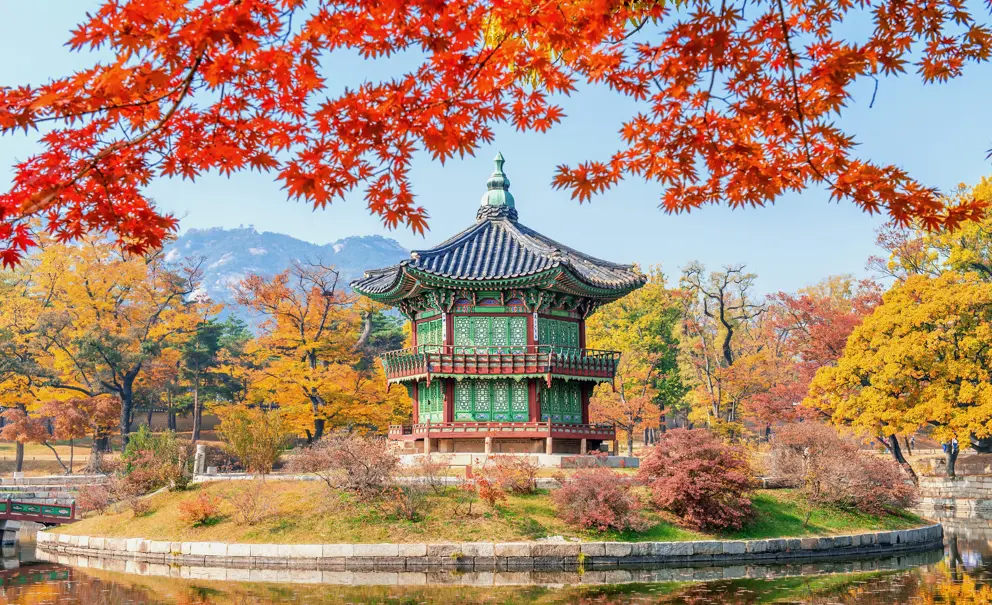
Start in Gyeongbokgung Palace. Pro-tip: If you wear a Hanbok (traditional Korean dress), which you can rent nearby, your entry to the palace is free! Afterward, wander through the winding alleys of Bukchon Hanok Village or explore the cozy, artisanal cafes in Seochon. For a more modern vibe, the neon lights and shopping stalls of Myeongdong are a must.
Busan: The Coastal Gem
A three-hour ride on the KTX high-speed train brings you to Busan. Visit the colorful Gamcheon Culture Village, often called the "Santorini of the East," and relax at Haeundae Beach. The seafood here is world-class; don’t miss the Jagalchi Fish Market.
Gyeongju: The Museum Without Walls
For history buffs, Gyeongju is essential. It was the capital of the ancient Silla Kingdom and is packed with burial mounds, ancient observatories, and breathtaking temples like Bulguksa.
Jeju Island: Nature’s Escape
If you have time for a short domestic flight, Jeju Island offers volcanic landscapes, majestic waterfalls, and some of the best hiking trails in Asia.

Cultural Etiquette: Do’s and Don’ts
Korea is welcoming, but small cultural details can enhance your experience.
- A slight bow or polite greeting is appreciated
- Public transport is generally quiet
- Trash bins are rare - carry a small bag if needed
- Cards are widely accepted, but small vendors may prefer cash
Nothing complicated, just small things that make you feel more comfortable navigating daily life.
Food & Dining Guide
Food is a huge part of traveling in Korea and honestly, one of the highlights.
Some must-try dishes:
- Korean BBQ - grill your own meat at the table
- Bibimbap - rice, vegetables, and meat mixed together
- Tteokbokki - spicy rice cakes, a classic street food
- Korean fried chicken - crispy, flavorful, and addictive
Don’t be surprised if food becomes one of your favorite parts of the trip.

FAQ: Frequently Asked Questions
1. Do I need a physical SIM card for South Korea?
Not necessarily. Most modern smartphones support eSIMs. Using a Maaltalk South Korea eSIM is often more affordable than roaming and allows you to keep your home number active for iMessage while using local data for maps.
2. Is South Korea expensive for tourists?
It’s very manageable. A hearty meal can cost as little as $8 - $12, and a day’s worth of subway travel is usually under $5.
3. Can I use Google Maps in Korea?
Google Maps is fine for finding locations, but for walking or driving directions, it is limited. Download Naver Map for the best results.
4. Is it safe for solo travelers?
South Korea is consistently ranked as one of the safest countries in the world. Even at night, major cities are well-lit and bustling, making it ideal for solo explorers.
