Free 1GB eSIM inside app





Why Georgia’s Caucasus Mountains Are Europe’s Most Underrated Escape in 2026
April 14, 2026
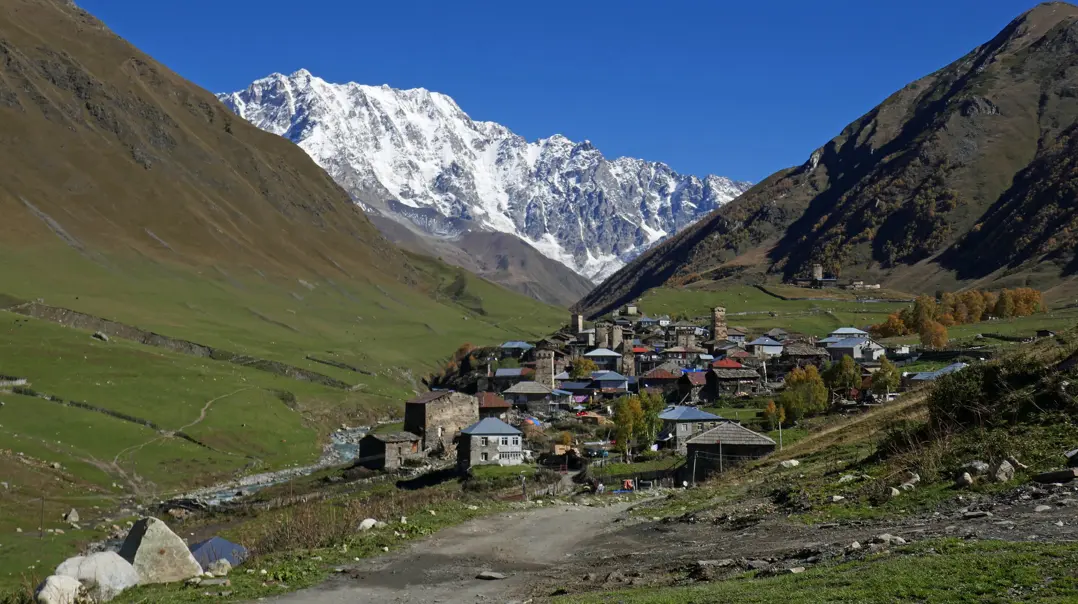
Travel in Europe has changed a lot in recent years. Prices are rising, popular destinations feel increasingly crowded, and it’s getting harder to find places that still feel authentic and untouched.
That’s exactly why more people are rethinking how they travel, and where they go.
If you’ve been searching for a destination that combines dramatic mountain scenery, rich culture, and reasonable prices, it might be time to look beyond the usual hotspots. Georgia travel is quickly gaining attention, and the Caucasus Mountains in Georgia are at the center of it all.
This region isn’t just an alternative - it’s a destination in its own right. And in 2026, it’s shaping up to be one of Europe’s most exciting places to explore.
Where Are the Caucasus Mountains and Why Is Everyone Talking About Georgia?
The Caucasus Mountains stretch between the Black Sea and the Caspian Sea, forming a natural border between Europe and Asia. Georgia sits right in the heart of this region, which gives it a unique mix of influences: European, Asian, and distinctly its own.
So why is Georgia suddenly trending? Part of it comes down to visibility. Social media and travel blogs have started showcasing places like Kazbegi and Svaneti, where snow-capped peaks, medieval towers, and wide-open landscapes feel almost unreal. But beyond the visuals, there’s something deeper pulling people in.
Georgia offers a combination that’s becoming rare:
- Stunning nature without overwhelming crowds
- Deep-rooted traditions that are still part of daily life
- A travel experience that feels both accessible and adventurous
For anyone planning to travel to Georgia in Europe, it’s this balance that makes the country stand out.
What Makes Georgia’s Caucasus Mountains So Special?
Dramatic Landscapes Without the Crowds
The first thing you notice in the Caucasus is the scale. Massive peaks, green valleys, winding mountain roads, it all feels expansive and untouched.
Unlike many well-known alpine regions, you won’t find packed hiking trails or long lines at viewpoints. You can still experience nature in a way that feels quiet and personal.
Hiking in the Caucasus Mountains is especially rewarding. Whether it’s a short walk to a viewpoint or a multi-day trek through remote valleys, the scenery constantly shifts from forests to glaciers to alpine meadows.
Authentic Villages and Local Culture
Beyond the landscapes, it’s the culture that makes Georgia unforgettable.
Regions like Svaneti and Kazbegi are home to small mountain communities where traditions have been preserved for centuries. Stone towers rise above villages, meals are shared with homemade wine, and hospitality feels genuine rather than curated.
Food plays a big role too. Expect dishes like khachapuri (cheese-filled bread) and khinkali (dumplings), often served in family-run guesthouses. In places like Svaneti, you’re not just visiting, you’re stepping into a way of life that hasn’t changed much over time.
Adventure for Every Traveler
One of the best things about the Caucasus Mountains in Georgia is how versatile they are. You don’t need to be an experienced hiker to enjoy them. There’s something here for every kind of traveler:
- Scenic drives with panoramic views
- Easy day hikes from villages
- Multi-day trekking routes
- Skiing in winter resorts like Gudauri
- Horseback riding and off-road adventures
Whether you’re planning a relaxed trip or something more active, Georgia offers a wide range of experiences.
Top Places to Visit in Georgia’s Caucasus Mountains
Kazbegi (Stepantsminda)
Kazbegi is often the first stop for travelers heading into the mountains, and for good reason. Just a few hours from Tbilisi, it’s easily accessible yet still feels remote. The highlight here is the Gergeti Trinity Church, perched on a hill with Mount Kazbek rising behind it. It’s one of the most iconic views in Georgia.
Kazbegi is perfect for:
- First-time visitors
- Short mountain trips
- Easy hikes with incredible scenery
Svaneti (Mestia & Ushguli)
Svaneti feels like a completely different world. This region is known for its medieval stone towers, which were originally built for defense and now define the landscape. Mestia serves as the main hub, while Ushguli, one of Europe’s highest inhabited villages, offers an even more remote experience.
Svaneti is ideal for:
- Multi-day hiking
- Cultural experiences
- Travelers looking for something less mainstream
Tusheti (For the Adventurous)
Tusheti is one of Georgia’s most remote regions, and getting there is part of the adventure. Accessible only by a challenging mountain road (and closed in winter), it rewards visitors with untouched nature, traditional villages, and complete isolation. If you’re looking for an off-the-grid experience, Tusheti is hard to match.
Is Georgia Really More Affordable Than Other European Destinations?
One of the reasons Georgia is gaining popularity is its affordability but it’s not just about being “cheap.” It’s about value. Compared to many Western European destinations, your budget goes much further here.
Here’s a general idea of costs:
- Accommodation: $10 - $80 per night
- Meals: $5 - $15 at local restaurants
- Transport: $10 - $30 for longer distances
- Coffee: Around $2 - $4
Even in popular areas, prices remain relatively accessible. You can stay in comfortable guesthouses, eat well, and explore without constantly worrying about costs.
For those wondering how much does a trip to Georgia cost, it’s possible to plan a full trip at a fraction of what you might spend elsewhere in Europe without sacrificing experience.
When Is the Best Time to Visit the Caucasus Mountains?
The best time to visit depends on what kind of trip you’re planning.
Summer (June to September)
Ideal for hiking and outdoor activities. Trails are open, and the weather is generally warm and stable.
Autumn (September to October)
One of the most beautiful times to visit. The landscapes turn golden, and there are fewer visitors.
Winter (December to March)
Perfect for skiing, especially in Gudauri. Snow transforms the mountains into a completely different experience.
Spring (April to May)
Less predictable weather, but still a good time for lower-altitude travel and fewer crowds.
Travel Tips for Visiting Georgia in 2026
Planning your trip is relatively straightforward, but a few tips can make things even easier:
- Visa: Many nationalities can enter Georgia visa-free for up to one year (always check this prior to travel)
- Currency: Georgian Lari (GEL), but prices are often easy to estimate in USD
- Transport: Marshrutkas (shared minibuses) are common, but renting a car gives more flexibility
- Safety: Georgia is generally very safe for travelers, including solo travelers
It’s also worth planning your route in advance, especially if you want to visit multiple mountain regions.
Staying Connected While Traveling in Georgia
Having reliable internet can make a big difference when traveling, especially in mountainous areas where navigation, bookings, and translations come into play.
Many travelers now use eSIMs to stay connected without dealing with local SIM cards. It’s a simple way to get data as soon as you arrive.
For trips across Georgia and the wider Caucasus region, options like our Maaltalk Caucasus eSIM make it easy to stay online across multiple countries. Setup is quick, and you don’t need to swap physical SIM cards, which makes things much more convenient when moving between destinations.

Why Georgia Should Be on Your 2026 Travel List
There’s something refreshing about discovering a place before it becomes widely known. Georgia offers that feeling. The Caucasus Mountains deliver the kind of landscapes people usually associate with more famous destinations, but the experience itself feels more personal, more open, and less rushed.
It’s not about replacing one destination with another. It’s about finding somewhere that still feels genuine. If you’re planning your next trip and looking for something a little different in 2026, Georgia might be exactly what you’re looking for.
FAQ: Georgia Travel & Caucasus Mountains
1. Is Georgia cheaper than Switzerland?
Yes, Georgia is generally much more affordable. Accommodation, food, and transportation all cost significantly less, making it easier to travel comfortably on a smaller budget.
2. Is Georgia in Europe or Asia?
Georgia is located at the crossroads of Europe and Asia. Culturally and politically, it is often considered part of Europe, but geographically it sits in the Caucasus region between the two continents.
3. Do you need internet when traveling in Georgia?
While not strictly necessary, having internet makes travel much easier for navigation, translations, and bookings. Many visitors choose to use a Caucasus eSIM for convenience and immediate connectivity upon arrival.
4. What is the best time to visit the Caucasus Mountains?
Summer (June to September) is best for hiking, while winter is ideal for skiing. Autumn is also a great time for fewer crowds and beautiful scenery.
5. Is Georgia safe for tourists?
Yes, Georgia is considered a very safe destination for travelers, including solo visitors. Crime rates are low, and locals are known for their hospitality.
6. How many days do you need in Georgia?
A 7- 10 day trip is ideal to explore Tbilisi and at least one or two mountain regions like Kazbegi or Svaneti. Longer stays allow for a deeper experience.
