Free 1GB eSIM inside app





Harbin Ice and Snow Festival Guide: Best Attractions, Tips & Travel Essentials for 2026
January 06, 2026
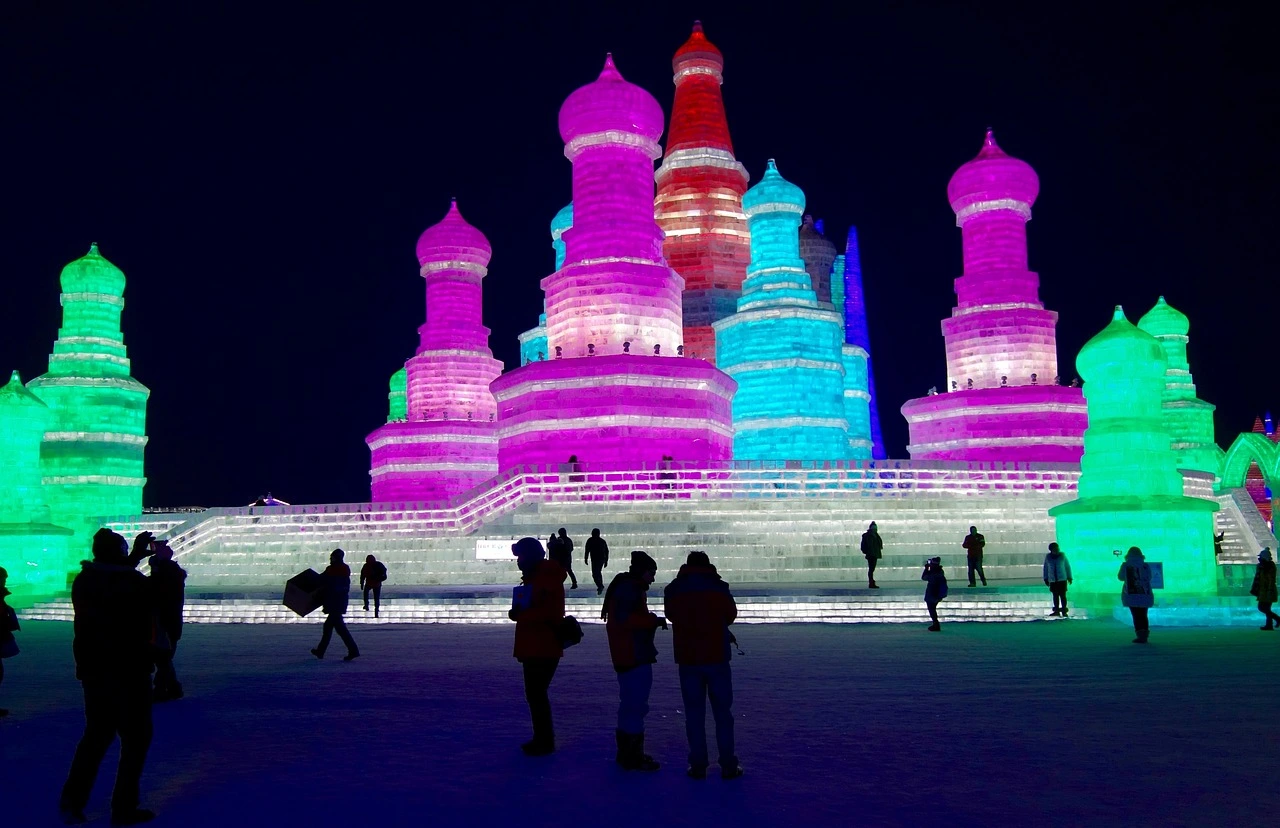
The Harbin International Ice and Snow Festival is one of the most famous winter events in the world. Every year, Harbin builds enormous ice structures, detailed snow sculptures, and illuminated frozen installations that fill multiple parks across the city. If you’re planning a winter trip to China, this festival is one of the most unique experiences you can add to your itinerary.
This guide covers everything you need to know, including the best attractions, opening dates, ticket details, how to stay warm, how to get around Harbin, and how to stay connected with a reliable China eSIM. The goal is to help you plan confidently and enjoy the festival without surprises.
What Is the Harbin Ice and Snow Festival?
The Harbin International Ice and Snow Festival began in 1985 and has grown into a large-scale winter event that attracts millions of visitors annually. Harbin’s freezing temperatures, often between -10°C to -30°C (14°F to -22°F), create the conditions needed to build massive ice structures that stay solid for weeks.
What makes the festival special is the combination of craftsmanship, engineering, and sheer scale. The blocks used for construction are cut from the frozen Songhua River and stacked to create buildings, arches, bridges, and full-sized castles. At night, the structures light up with LEDs, creating a bright, colorful city made entirely of ice.
The festival typically runs from late December through late February, with some installations lasting into early March depending on weather.
Main reasons travelers visit:
- Large-scale ice attractions you won’t find anywhere else
- Impressive snow sculptures crafted by international teams
- Unique winter activities such as ice slides and snow tubing
- Cultural performances and seasonal foods
- A chance to experience one of the world’s coldest and most interesting cities
When Does the Harbin Ice Festival Start and End?
While the official opening ceremony usually takes place in early January, the main parks generally begin opening in late December.
- Opening: Late December (soft opening), early January (official start)
- Peak season: January
- Closing: Late February, sometimes early March if temperatures remain cold
If you want the best experience, visit between mid-January and early February, when the weather is cold enough to keep everything in perfect condition.
Best Attractions at the Harbin Ice and Snow Festival
There are three main sites to visit during the festival. You can explore them all in one long day, but most travelers spread them across two days.
1. Ice and Snow World (Main Venue)
This is the largest and most famous part of the festival. The structures here are huge—the size of multi-story buildings, and most are illuminated with colorful LED lighting. You’ll find:
- Ice castles and palaces
- Long ice slides
- Frozen tunnels and bridges
- Sculptures carved by artists from around the world
- Snow entertainment zones and themed exhibits
The best time to visit Ice and Snow World is around sunset, so you can see both daytime detail and night lighting.
2. Sun Island Snow Sculpture Park
This area focuses on giant snow sculptures rather than ice structures. The sculptures are carved into incredibly detailed scenes and often feature:
- Landscapes and animals
- Chinese folklore themes
- International cultural symbols
- Competition pieces created by global artist teams
Sun Island is easier to explore during the day, and it’s best to give yourself at least two hours here.
3. Zhaolin Park Ice Lantern Fair
Located near downtown Harbin, Zhaolin Park is famous for traditional ice lanterns. Compared to Ice and Snow World, it is smaller and more low-key, but the atmosphere is charming and more local.
Expect:
- Hundreds of glowing ice lanterns
- Smaller sculptures
- Local street snacks
- A family-friendly environment
If your schedule is tight, this is a good evening activity close to the city center.
How to Get to Harbin
Harbin is located in northeastern China and is well-connected by flights and high-speed trains.
By Air
Harbin Taiping International Airport has domestic and international connections. From the airport, you can reach downtown Harbin by:
- Airport shuttle bus
- Taxi
- Ride-hailing apps
- Private transfers
By Train
China’s high-speed rail makes it easy to get to Harbin from major cities such as Beijing and Shenyang. Rail travel is comfortable, warm, and efficient.
How to Get Around Harbin
Once in Harbin, you can get around by:
- Metro (small network but convenient for key areas)
- Taxis
- Ride-hailing services
- Buses
- Walking (downtown areas are walkable but extremely cold)
Because temperatures can be extreme, it’s smart to minimize unnecessary walking. Transportation apps and ride-hailing services work smoothly, especially if you have a dependable mobile connection through a China eSIM.

Where to Stay in Harbin
The best areas to stay for easy access to the festival and city sights include:
Central Street (Zhongyang Street)
This pedestrian street is one of Harbin’s most visited areas. It has restaurants, cafés, shops, and is near the river. Zhaolin Park and the Stalin Park riverside area are close by.
Near Ice and Snow World
You’ll find newer hotels close to the festival’s main venue. This area is convenient but quieter.
Harbin West Railway Station Area
Good if you’re using high-speed trains and want modern, comfortable hotels.
Choose a hotel with strong heating (most hotels in Harbin have excellent heating systems).
What to Wear: Staying Warm in -20°C Weather
Harbin’s winters are extremely cold. Being properly prepared makes a big difference in how much you enjoy the festival. Here’s what you should bring:
Essential Clothing
- Thick winter coat (down jackets are best)
- Thermal base layers
- Wool or fleece mid-layers
- Insulated boots with good grip
- Wool socks
- Waterproof gloves
- Warm hat or beanie
- Scarf or neck warmer
Optional but Useful
- Hand warmers
- Foot warmers
- Face mask or balaclava
- Lip balm and moisturizer (air is very dry)
Electronics Tip
Phone batteries drain quickly in cold temperatures. Keep your phone close to your body and carry a power bank.
Tickets and Entry Tips
Tickets vary by venue, but Ice and Snow World is typically the most expensive. Prices may change each season, so it’s best to check verified ticket sites or the official festival website before arrival.
Tips for Buying Tickets
- Buy online to avoid long lines
- Visit on weekdays for fewer crowds
- Arrive early in the afternoon at Ice and Snow World
- Wear gloves that work with touchscreens
Most parks accept mobile payments, but foreign cards are not always supported. Having a mobile wallet set up ahead of time helps.
Food and Local Specialties to Try
Harbin’s food has strong Russian and northeastern Chinese influences. Popular dishes include:
- Harbin-style sausages
- Dumplings (jiaozi)
- Guobaorou (crispy sweet-and-sour pork)
- Russian borscht
- Ice cream on Central Street (yes, even in winter)
Many restaurants are warm and cozy, offering a comfortable break from the cold while exploring the city.
Why You Need Reliable Mobile Data: The Best China eSIM Option
Harbin is easy to navigate, but having stable mobile data makes the experience much more convenient, especially in extreme cold, when you want quick directions, translation tools, and smooth access to ride-hailing apps.
A Maaltalk China eSIM is one of the simplest ways to stay connected during the festival. You can install it before you travel, activate it instantly upon arrival, and avoid the hassle of finding a local SIM card in freezing weather.
Benefits of Using a Maaltalk eSIM in China
- Quick setup with no physical SIM card
- Works immediately upon landing
- Reliable data coverage across Harbin
- Great for navigation and translation
- No contracts or hidden fees
- Easy top-up options
For a winter event like the Harbin Ice Festival, where you’ll be outdoors and moving between multiple venues, having a dependable eSIM for China helps you stay organized and connected throughout your trip.
Tips for Visiting the Harbin Ice Festival
Here are practical suggestions to make the most of your experience:
1. Visit Ice and Snow World at sunset
It’s the best time to see both daylight detail and the nighttime lighting.
2. Protect your phone
Keep it warm to prevent shutdowns.
3. Plan for crowds
Peak times are weekends and early January.
4. Start early in the day
Daylight is limited in winter.
5. Use rideshares instead of walking long distances
The cold wind makes long walks uncomfortable.
6. Bring spare gloves
Gloves can get wet from touching ice structures and slides.
7. Keep snacks with you
Energy drops quickly in cold weather.
More Things to Do in Harbin Beyond the Festival
If you're staying for more than a day or two, Harbin has several interesting attractions:
Saint Sophia Cathedral
A historic Russian Orthodox church and one of the city’s most iconic buildings.
Central Street (Zhongyang Dajie)
Great for shopping, snacks, and winter photos.
Siberian Tiger Park
A conservation area to see Siberian tigers up close.
Songhua River activities
When the river freezes, you’ll find winter sports, sledding, and ice biking.
Sample 2-Day Harbin Ice Festival Itinerary
Day 1
- Explore Central Street
- Visit Saint Sophia Cathedral
- Lunch at a Harbin-style restaurant
- Head to Ice and Snow World before sunset
- Enjoy the illuminated structures at night
Day 2
- Visit Sun Island Snow Sculpture Park
- Warm up at a café
- Walk around Zhaolin Park in the evening
This plan covers all major highlights without rushing.
The Harbin International Ice and Snow Festival is a one-of-a-kind winter experience. The massive ice structures, snow sculptures, and nighttime displays make it a memorable trip for anyone who enjoys culture, architecture, or winter events. With proper planning, warm clothing, organized transportation, and a dependable China eSIM, you can enjoy the festival comfortably and make the most of what Harbin has to offer.
If you're building a winter itinerary in China, adding Harbin to your list is a decision you won’t regret.
Frequently Asked Questions (FAQ)
Is Harbin too cold for travel?
Harbin is extremely cold, but with proper winter gear, it’s manageable. The air is dry, which makes the cold feel a bit less harsh than humid climates.
How long should I stay in Harbin?
Two to three days is enough to see all major festival attractions and explore the city.
Are the ice structures safe?
Yes, the installations are professionally built and monitored. Some areas may close temporarily during snow or wind, depending on conditions.
Can you visit with kids?
Yes, families visit every year. Just make sure children are dressed in proper winter clothing.
Do I need cash in Harbin?
Many places accept mobile payments. Some stores accept foreign cards, but having multiple payment options is helpful.
When is the best time to take photos?
Late afternoon and evening offer the best lighting at Ice and Snow World.
Is the festival worth it?
Yes. The scale, design, and variety make it one of the most impressive winter events in the world.
Do I need a China eSIM?
It’s highly recommended. A reliable China eSIM, such as the one from Maaltalk, makes it easier to navigate, translate, access maps, and book transportation during the festival.