Free 1GB eSIM inside app





How to Cross the Street in Hanoi Without Panicking (A Beginner's Guide)
June 08, 2026
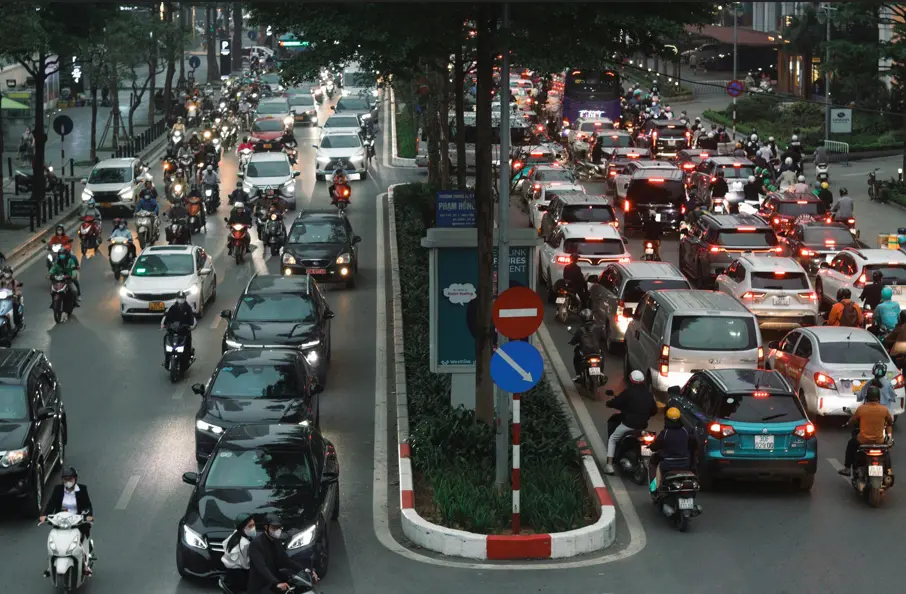
If you're traveling to Hanoi for the first time, there's a good chance you'll experience the same moment that catches almost every visitor off guard. You step out of your hotel, look up from your phone, and freeze.
In front of you is a constant stream of scooters, motorbikes, cars, bicycles, and buses flowing through the street. There may be a crosswalk nearby, but the traffic doesn't seem to stop in the way you're used to. For a few seconds, you might wonder: "How am I supposed to cross that road?"
The good news is that thousands of travelers successfully navigate Hanoi's streets every day. Even better, most people discover that what first feels intimidating quickly becomes one of the most memorable and fascinating parts of visiting Vietnam's capital.
The secret is understanding that Hanoi traffic operates differently from many Western cities. Once you learn the rhythm, crossing the street becomes much easier than it looks.
This beginner's guide will show you exactly how to cross the street in Hanoi, explain why the traffic works the way it does, and help you feel confident exploring one of Southeast Asia's most exciting cities.
Why Hanoi Traffic Feels So Different
One of the first things visitors notice about Hanoi is the sheer number of motorbikes.
Motorbikes and scooters are the primary mode of transportation for many residents, and they play a huge role in the city's daily life. Rather than traffic moving in large groups separated by long gaps, Hanoi traffic often moves in a continuous flow.
For travelers arriving from North America, Europe, or Australia, this can feel unfamiliar. In many countries, pedestrians wait for traffic to stop before crossing. In Hanoi, traffic and pedestrians often move together in a way that relies on predictability and awareness.
That's why one of the most important things to know before visiting Hanoi is this: The goal isn't to fight the traffic. The goal is to become part of its rhythm.
Once you understand this mindset, everything starts to make more sense.
The Golden Rule: Walk Slowly and Predictably
If there's one takeaway from this entire Hanoi street crossing guide, it's this: Walk slowly, steadily, and predictably.
That might sound too simple, but it's exactly how locals and experienced visitors cross busy roads throughout the city.
When crossing:
- Walk at a steady pace
- Avoid sudden stops
- Don't run
- Don't step backward unexpectedly
- Keep your movements predictable
Why does this work? Because scooter riders are constantly assessing movement around them. When they can predict where you're going, they naturally adjust their path around you.
Many first-time visitors make the mistake of hesitating halfway across the road. Ironically, stopping suddenly can create more confusion because drivers have already anticipated where you'll be moving next.
Think of yourself as a slow-moving object in a stream. The flow naturally moves around you as long as you continue moving steadily. It may feel unusual at first, but after a few crossings, you'll start to understand why it works.
Step-by-Step: How to Cross the Street in Hanoi
If you're wondering exactly how locals cross the street in Hanoi, here's a simple step-by-step approach.
Step 1: Choose Your Crossing Point Carefully
Whenever possible, use designated crosswalks, intersections, or areas where other pedestrians are crossing.
While you may still encounter moving traffic, these locations are generally the most pedestrian-friendly. Avoid crossing from behind parked vehicles where drivers may not be able to see you clearly.
Step 2: Look for Eye Contact
You won't always make direct eye contact with every rider, but being aware of approaching traffic is important.
A quick glance toward incoming vehicles helps both you and the driver understand each other's intentions.
Step 3: Take a Confident First Step
This is often the hardest part. Many tourists stand on the curb waiting for a perfect gap that never seems to appear. Instead, once you've identified a reasonable opportunity, take a calm and confident first step forward.
Step 4: Keep Walking Steadily
This is where the magic happens. Continue moving at a predictable pace without speeding up or slowing down dramatically. Trust the process and avoid second-guessing yourself.
Step 5: Let Traffic Flow Around You
As vehicles approach, you'll notice that riders naturally adjust their path. Small changes in direction happen constantly throughout Hanoi traffic, and pedestrians become part of that flow.
Step 6: Reach the Other Side and Celebrate
Congratulations. You've just completed one of Hanoi's most famous travel experiences. Your second crossing will feel easier. Your tenth crossing will feel completely normal.
What NOT to Do When Crossing Roads in Hanoi
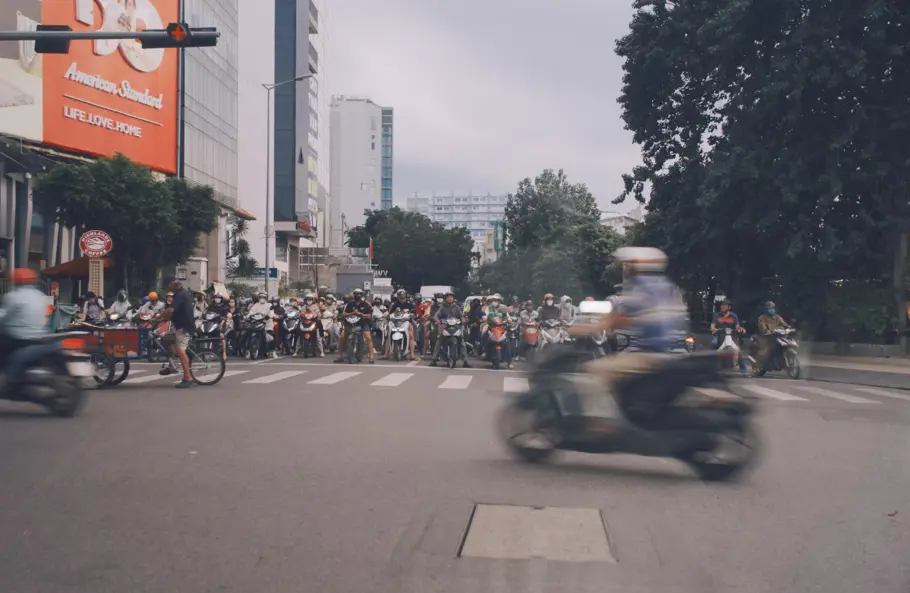
- Don't Run: Running makes your movements less predictable. Drivers can adjust around a steady walker much more easily than someone suddenly sprinting.
- Don't Stop Suddenly: This is probably the biggest mistake first-time visitors make. Once you've started crossing, continue at a consistent pace.
- Don't Only Look One Direction: Traffic can approach from multiple angles, especially around intersections. Stay aware of your surroundings.
- Don't Use Your Phone While Crossing: Save the Instagram stories for the sidewalk. Crossing streets requires your full attention.
- Don't Cross Between Parked Vehicles: Visibility matters for both pedestrians and drivers. Choose open crossing points whenever possible.
- Don't Follow Another Confused Tourist: Just because someone else started crossing doesn't mean they know what they're doing. Trust your own judgment.
Places to Practice Crossing the Street
Like any new skill, confidence comes with practice. Fortunately, Hanoi offers several great areas where visitors can gradually become comfortable with local traffic patterns.
Around Hoan Kiem Lake
This area is often one of the first places travelers explore. The roads surrounding the lake offer a good introduction to walking in Hanoi without immediately throwing you into the busiest intersections.
You'll find plenty of locals, visitors, cafes, and opportunities to observe how pedestrians navigate traffic.
Hanoi Old Quarter
The Old Quarter is one of Hanoi's most exciting neighborhoods. Its narrow streets, local shops, street food vendors, and historic atmosphere make it a must-visit destination.
It's also one of the best places to learn how traffic flows through the city. After spending a few hours here, many travelers begin feeling noticeably more confident.
Kiem Walking Street
On weekends, certain streets around Hoan Kiem Lake become pedestrian-friendly zones. This creates a relaxed environment where visitors can enjoy the atmosphere without worrying about traffic. It's a great place to ease into the city during your first day.
How Locals Cross the Street So Easily
One question visitors often ask is: "How do locals cross the street in Hanoi so effortlessly?"
The answer is experience. Residents have spent years understanding traffic flow, reading vehicle movement, and navigating busy streets.
What looks effortless is actually a skill built through repetition. The encouraging part is that tourists don't need years of experience.
Most visitors only need to understand a few simple principles:
- Stay predictable
- Walk steadily
- Remain aware of your surroundings
- Trust the flow
That's enough to dramatically improve your confidence. Within a day or two, you'll probably notice that crossing streets no longer feels like a challenge.
Helpful Apps That Make Exploring Hanoi Easier
Modern travel is much easier when you have the right tools.
Several apps are especially useful when exploring Hanoi.
Google Maps
Whether you're looking for a restaurant, finding your hotel, or navigating the Old Quarter, Google Maps is invaluable.
Grab
Grab is one of the most popular ride-hailing apps in Vietnam.
If you're not comfortable walking long distances or simply want a convenient ride across the city, it's a great option.
Google Translate
Translation apps make communication much easier, especially when ordering food, reading signs, or asking for directions.
Staying Connected in Hanoi
When you're trying to find directions, book a Grab ride, translate a menu, or check your location in real time, reliable mobile data becomes surprisingly important.
Many people now choose to set up a Vietnam eSIM before they arrive rather than searching for a SIM card at the airport.
Our Vietnam eSIM allows you to get online quickly after landing, making it easier to access maps, transportation apps, translation tools, and travel information throughout their trip. For first-time visitors navigating Hanoi's busy streets, having reliable connectivity can make the entire experience smoother and more convenient.

Other Hanoi Travel Tips for First-Time Visitors
Watch the Sidewalks
One surprising thing about Hanoi is that sidewalks often serve multiple purposes.You may encounter parked scooters, outdoor seating, street food vendors, and small businesses using sidewalk space.
Be prepared to occasionally step onto the road while walking.
Expect Scooters Everywhere
Scooters are simply part of daily life in Hanoi. Rather than viewing them as an obstacle, think of them as part of the city's unique character and energy.
Be Patient
Hanoi isn't a city that rewards rushing. Some of the best experiences happen when you slow down, wander through side streets, and embrace the local pace.
Start Early
Mornings are one of the best times to explore Hanoi. You'll see locals exercising around Hoan Kiem Lake, vendors preparing breakfast, and the city gradually coming to life. It's also a wonderful time for photography and walking.
The Moment Everything Clicks
Almost every traveler experiences the same turning point in Vietnam. On your first day, you might stand at the curb waiting nervously for a gap in traffic. On your second day, you cautiously follow the crossing techniques you've learned.
Then suddenly, without even realizing it, something changes. You step confidently into the street. You walk at a steady pace. Traffic flows around you.
A few seconds later, you're standing safely on the other side wondering why it felt so difficult before. That moment is when Hanoi starts to feel familiar. And once that happens, the city becomes much easier and a lot more enjoyable to explore.
FAQ: Crossing the Street in Hanoi
1. Is it safe to cross the street in Hanoi?
Yes. While Hanoi traffic may initially feel unfamiliar, most visitors quickly adapt once they understand how local traffic flows. Walking steadily and predictably is the most important principle.
2. Why don't scooters stop for pedestrians in Hanoi?
Traffic in Hanoi often operates as a continuous flow. Rather than coming to a complete stop, drivers typically adjust their path around pedestrians who cross steadily and predictably.
3. What is the best way to cross busy roads in Hanoi?
The best approach is to walk slowly, confidently, and at a consistent pace. Avoid running, stopping suddenly, or making unpredictable movements.
4. How long does it take to get used to Hanoi traffic?
Most travelers begin feeling comfortable within one or two days. After a few successful crossings, the process becomes much more intuitive.
5. Should I use crosswalks in Hanoi?
Yes. Whenever possible, use designated crosswalks and pedestrian crossings, as these are generally the safest and most convenient places to cross.
6. Can I walk around Hanoi without speaking Vietnamese?
Absolutely. Many travelers explore Hanoi independently using navigation and translation apps. Having reliable mobile data through a Vietnam eSIM can make getting around even easier.
