Free 1GB eSIM inside app





How to Get from Singapore to Kuala Lumpur: Best Travel Options
July 24, 2026
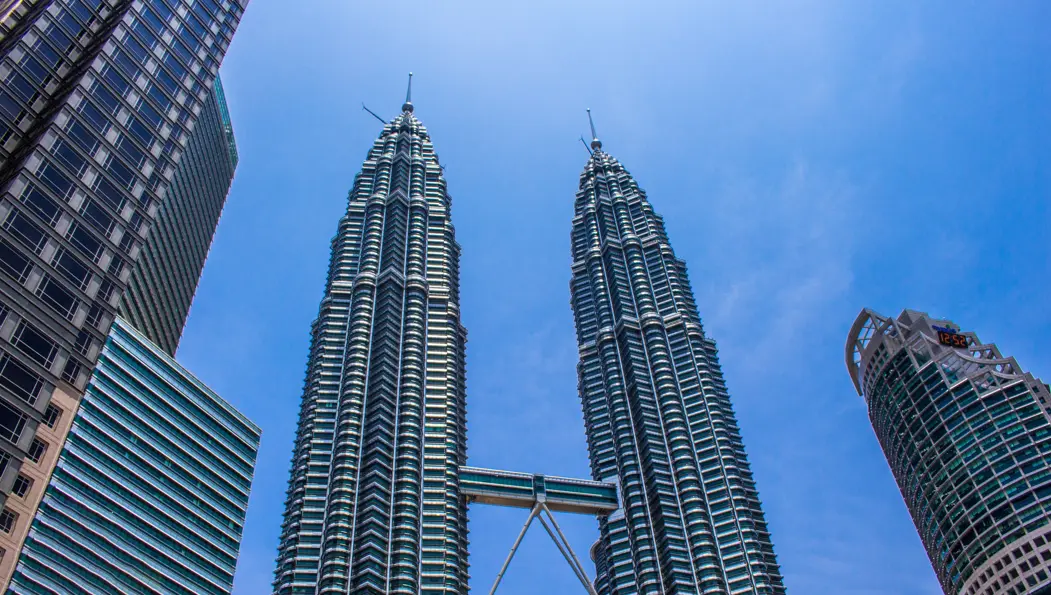
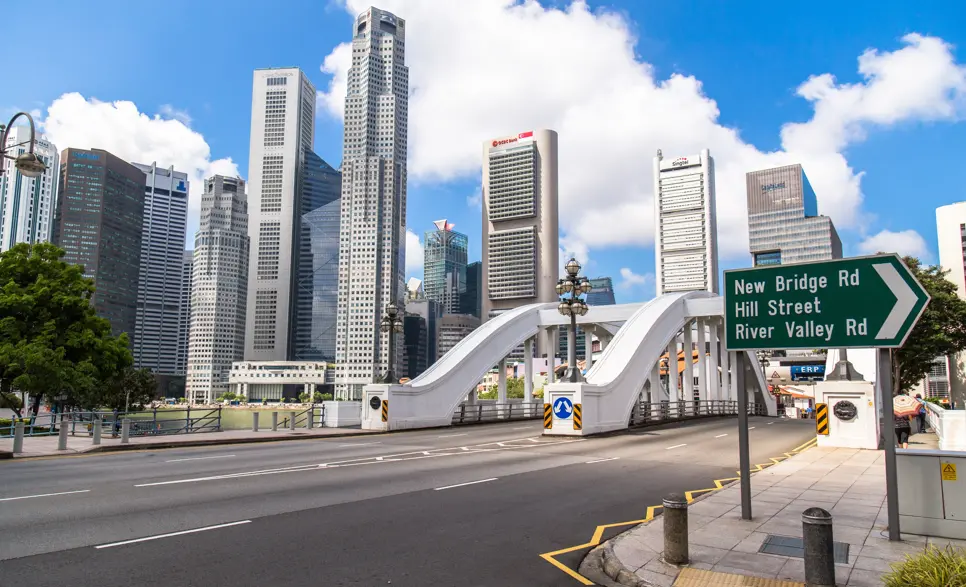
Singapore and Kuala Lumpur are two of Southeast Asia's most exciting cities, and the best part is that they're surprisingly easy to combine into one trip. In just a few hours, you can go from Singapore's futuristic skyline and world-class attractions to Kuala Lumpur's vibrant street food scene, iconic landmarks, and rich cultural heritage.
Whether you're planning a weekend getaway, backpacking across Southeast Asia, or combining multiple destinations into one itinerary, getting from Singapore to Kuala Lumpur is easier than many travelers expect. With several transportation options available, including buses, flights, trains, and driving, you can choose the one that best suits your budget, schedule, and travel style.
Each option comes with its own advantages. Budget travelers often prefer the convenience of direct buses, while those short on time may opt for a quick flight. Travelers looking for a more scenic journey can take the train, and road trippers can enjoy the flexibility of driving through Malaysia at their own pace.
This guide compares every way to travel from Singapore to Kuala Lumpur, including travel times, costs, border crossing tips, and practical advice to help you plan a smooth and enjoyable journey.
Singapore to Kuala Lumpur at a Glance
| Transport | Travel Time* | Approximate Cost (USD) | Best For |
|---|---|---|---|
| Flight | Around 1 hour (4-5 hours total including airports) | $30-90 | Fastest option |
| Bus | 5-7 hours | $20-40 | Budget travelers |
| Train | 7-9 hours | $18-45 | Scenic travel |
| Car | 4-5 hours | Fuel + tolls | Maximum flexibility |
*Travel times may vary depending on traffic and immigration queues at the Singapore-Malaysia border.
Option 1: Taking the Bus from Singapore to Kuala Lumpur
For most travelers, the Singapore to Kuala Lumpur bus is the perfect balance between affordability, convenience, and comfort. It's one of the busiest cross-border routes in Southeast Asia, with dozens of departures available throughout the day, making it easy to find a schedule that fits your plans.
Unlike trains or flights, many bus services offer direct city-center to city-center transportation. That means you can avoid airport transfers and enjoy a more straightforward journey from Singapore to Kuala Lumpur.
Why the bus is so popular
Modern long-distance coaches are much more comfortable than many first-time visitors expect. Depending on the operator, you may find features such as:
- Spacious reclining seats
- Extra legroom
- Air conditioning
- USB charging ports
- Free Wi-Fi on selected services
- Complimentary bottled water or snacks
- Luggage included in the ticket price
If you're traveling overnight, sleeper-style or premium coaches can also help you save on one night's accommodation while arriving in Kuala Lumpur early the next morning.
Where do buses depart from?
Several locations across Singapore offer direct departures to Kuala Lumpur, including:
- Golden Mile Complex area
- Bugis
- HarbourFront
- Jurong East
These locations are easily accessible by MRT or taxi, making them convenient regardless of where you're staying in Singapore.
Most buses arrive at Terminal Bersepadu Selatan (TBS Kuala Lumpur), the city's main long-distance bus terminal. From there, you can continue your journey by MRT, LRT, taxi, or ride-hailing services like Grab.
What happens at the border?
One of the most common questions travelers ask is what happens during the Singapore-Malaysia border crossing. Fortunately, the process is usually simple.
Your bus will stop twice during the journey:
- Singapore Immigration Checkpoint
- Malaysia Immigration Checkpoint
Passengers leave the bus with their luggage, clear immigration, and then board the same bus again. While this may sound intimidating for first-time visitors, bus operators are accustomed to the process and typically provide clear instructions before arriving at each checkpoint.
The amount of time spent at immigration varies. During weekdays, the process can be relatively quick, while weekends, public holidays, and school vacation periods may involve longer queues.
Helpful tips for a smoother bus journey
A little preparation can make your trip much more comfortable.
Before boarding, remember to:
- Keep your passport easily accessible.
- Bring a reusable water bottle and light snacks.
- Download entertainment in case Wi-Fi isn't available.
- Charge your phone and power bank beforehand.
- Wear comfortable clothing, as buses are often air-conditioned.
If possible, avoid traveling on Friday evenings, Sunday afternoons, and major public holidays when border traffic is typically at its busiest.
Is the bus the right choice?
The bus is an excellent option if you want to keep transportation costs low without sacrificing comfort. Since you travel directly between the two cities, it can even be faster than flying once airport transfers and check-in times are taken into account.
For solo travelers, families, backpackers, and anyone looking for an affordable and hassle-free journey, taking the bus from Singapore to Kuala Lumpur remains one of the best travel options available.
Option 2: Flying from Singapore to Kuala Lumpur
If your priority is reaching Kuala Lumpur as quickly as possible, flying is the fastest way to travel. The flight itself takes only about one hour, and with dozens of daily departures, it's easy to find a flight that fits your schedule.
Both full-service and budget airlines operate this popular route, making it one of the busiest in Southeast Asia. Thanks to frequent competition, it's often possible to find one-way fares starting from around $30 USD if you book in advance.
However, it's worth looking beyond the flight time alone. Once you factor in getting to the airport, checking in, passing through security, waiting to board, collecting your luggage, and traveling from Kuala Lumpur International Airport (KLIA) into the city center, your total journey can take around four to five hours.
Pros of flying
Flying is a great option if you:
- Have limited time in Malaysia
- Find a good airfare during a promotion
- Are connecting to another international flight
- Prefer minimizing time spent on the road
Budget airlines frequently offer attractive fares, but always check whether baggage, seat selection, and other extras are included before booking. Sometimes a slightly more expensive ticket with checked luggage included can offer better overall value.
Things to consider
While flights are convenient, airport logistics can add both time and cost. Kuala Lumpur International Airport is located about 55 kilometers (34 miles) from the city center, so you'll need to budget additional time and money for transportation after landing.
If you're traveling with only a carry-on bag and have a tight schedule, flying can still be the quickest overall option. But for travelers staying in central Singapore and heading directly to downtown Kuala Lumpur, a premium bus can sometimes offer a similarly efficient door-to-door journey.

Option 3: Taking the Train
For travelers who enjoy slower journeys and scenic landscapes, taking the train from Singapore to Kuala Lumpur is a memorable alternative. While it isn't the fastest option, it offers a more relaxed travel experience than flying and allows you to see more of Malaysia along the way.
It's important to know that there is no longer a direct train from Singapore to Kuala Lumpur. Instead, you'll travel in stages:
Singapore → Johor Bahru → ETS Train → Kuala Lumpur
The first part of the journey takes you across the border from Singapore to Johor Bahru. From there, you'll board Malaysia's modern ETS (Electric Train Service), which connects several major cities before arriving at Kuala Lumpur Sentral.
What is the ETS train like?
Malaysia's ETS trains are clean, comfortable, and designed for longer journeys. Travelers can expect:
- Spacious reclining seats
- Air-conditioned carriages
- Clean restrooms
- Luggage storage areas
- Power outlets on selected trains
- Large windows with countryside views
As the train travels north, you'll pass palm plantations, rolling hills, small towns, and stretches of lush tropical greenery that many visitors never see when flying.
Is the train worth it?
Although the overall trip takes around seven to nine hours, many travelers enjoy the slower pace. You don't have to worry about traffic, and you can move around the train during the journey, making it more comfortable than sitting on a bus for several hours.
Because the train journey involves changing in Johor Bahru, it does require a little more planning than taking a direct bus or flight. Booking tickets in advance is also recommended, especially during weekends and holiday periods.
If you enjoy scenic rail journeys and aren't in a hurry, the train offers a unique way to travel between Singapore and Kuala Lumpur.
Option 4: Driving from Singapore to Kuala Lumpur
Driving gives you the greatest freedom to explore Malaysia at your own pace. The distance between Singapore and Kuala Lumpur is approximately 350 kilometers (217 miles), and under normal traffic conditions, the drive takes around four to five hours, excluding immigration and rest stops.
The route follows Malaysia's well-maintained North-South Expressway, making it a relatively straightforward drive for experienced motorists.
One of the biggest advantages of driving is flexibility. Instead of heading straight to Kuala Lumpur, you can stop along the way to discover smaller towns, local restaurants, and historic destinations that many visitors miss.
A popular stop is Malacca (Melaka), a UNESCO World Heritage city known for its colonial architecture, colorful streets, riverside cafés, and famous night markets. Spending a few hours, or even a night, in Malacca can turn your journey into a mini road trip.
Things to keep in mind
If you're renting a car, check with the rental company before booking. Not all vehicles are permitted to cross the international border, and some companies charge additional fees or require advance approval for travel into Malaysia.
You'll also need to budget for:
- Fuel
- Highway tolls
- Parking in Kuala Lumpur
- Possible delays at immigration during busy periods
Drivers should also familiarize themselves with local traffic regulations and ensure they have the required insurance documentation for cross-border travel.
Is driving a good idea?
Driving is ideal if you're traveling as a family or group, carrying more luggage, or planning to explore destinations beyond Kuala Lumpur. It also gives you the flexibility to travel on your own schedule without relying on public transportation.
However, if your goal is simply getting from one city to the other as quickly and easily as possible, a direct bus or flight may be the more convenient choice.
Which Option Is Best?
The best way to get from Singapore to Kuala Lumpur ultimately depends on your travel style, budget, and schedule.
| If you want... | Best option |
|---|---|
| The cheapest way to travel | Bus |
| The fastest journey | Flight |
| The most scenic experience | Train |
| Maximum flexibility | Car |
For most travelers, the bus offers the best overall value, combining affordable prices, comfortable coaches, and convenient city-center departures. If you're short on time, flying is hard to beat, while the train is perfect for those who enjoy a slower, more scenic adventure. Driving, meanwhile, opens the door to discovering destinations like Malacca and other hidden gems along the way.
Whichever option you choose, booking tickets in advance, especially during weekends, public holidays, and school vacation periods, can help you secure better prices and avoid unnecessary travel stress.
Singapore-Malaysia Border Crossing Tips
Crossing the border between Singapore and Malaysia is generally a smooth process, but a little preparation can help you avoid unnecessary delays. Whether you're traveling by bus, train, car, or even connecting to a flight, knowing what to expect makes the journey much easier.
Here are a few practical tips before you travel.
Check your passport validity
Make sure your passport is valid for at least six months beyond your planned departure date, as this is a common entry requirement for many international travelers entering Malaysia. It's also a good idea to keep a digital copy of your passport stored securely on your phone or in cloud storage in case of emergencies.
Complete any required arrival forms
Depending on current immigration requirements and your nationality, you may need to complete a digital arrival card or provide additional travel information before entering Malaysia.
Requirements can change over time, so check the latest official immigration guidance before your trip to avoid any surprises at the border.
Expect longer queues during busy periods
Border crossings are usually busiest during:
- Friday evenings
- Sunday afternoons
- Singapore and Malaysian public holidays
- School vacation periods
- Major festive celebrations such as Chinese New Year, Hari Raya, and Deepavali
If your schedule is flexible, traveling on weekday mornings or early afternoons often means shorter waiting times.
Know the customs rules
Both Singapore and Malaysia have customs regulations regarding items that can be brought across the border.
For example, restrictions may apply to:
- Fresh fruits and vegetables
- Meat and dairy products
- Large quantities of alcohol or tobacco
- Certain medications
If you're carrying prescription medication, keep it in its original packaging and bring a copy of your prescription if possible.
Keep electronics easily accessible
Power banks, laptops, cameras, and other electronic devices are generally permitted, but it's helpful to keep them organized in your bag in case customs officers ask to inspect them.
If you're carrying liquids, especially when flying, remember to follow airline security regulations regarding container sizes. Overall, the Singapore-Malaysia border crossing is efficient, and most travelers complete the process without any issues as long as their documents are prepared in advance.
Staying Connected Throughout Your Trip
One of the easiest things to overlook when planning your trip is mobile data. After crossing into Malaysia, you'll likely rely on your phone immediately for directions, ride-hailing apps, restaurant recommendations, online payments, or messaging family and friends.
Instead of searching for a local SIM card after arriving or paying expensive international roaming fees, many travelers now choose to activate an eSIM before leaving Singapore.
If your trip includes both Singapore and Malaysia, or even Thailand, using a regional eSIM can make your journey much more convenient. Our Maaltalk Singapore-Malaysia-Thailand eSIM is designed for travelers visiting multiple destinations in Southeast Asia. Because it works across all three countries, you can stay connected without swapping physical SIM cards every time you cross a border.
Some of the benefits include:
- Instant online activation before your trip
- Reliable 5G and high-speed network coverage where available
- No physical SIM card to insert or replace
- Affordable prepaid data plans with no roaming surprises
- Seamless connectivity across Singapore, Malaysia, and Thailand
Whether you're navigating Kuala Lumpur with Google Maps, booking a Grab ride from TBS or KL Sentral, translating menus, or sharing your travel photos, having data available from the moment you arrive makes your trip much smoother.
For travelers exploring multiple countries in one itinerary, setting up your eSIM before departure means one less thing to worry about once you cross the border.

Suggested 3-Day Singapore to Kuala Lumpur Itinerary
If you're visiting Kuala Lumpur for a long weekend, here's a simple itinerary that lets you experience many of the city's highlights without feeling rushed.
Day 1: Arrive and Explore the City Center
After arriving in Kuala Lumpur, check into your accommodation before heading to some of the city's most famous landmarks. Spend the afternoon visiting the Petronas Twin Towers, strolling through KLCC Park, or shopping at Suria KLCC.
In the evening, head to Jalan Alor, one of Kuala Lumpur's best-known food streets, where you can sample Malaysian favorites such as satay, grilled seafood, char kway teow, and fresh tropical fruit.
Day 2: Culture and City Views
Start your morning with a visit to the colorful Batu Caves, one of Malaysia's most iconic attractions.
Afterward, return to the city and explore Bukit Bintang, Kuala Lumpur's vibrant shopping and entertainment district filled with cafés, malls, and local boutiques. Before sunset, visit the KL Tower Observation Deck for panoramic views over the city skyline.
Finish your evening by exploring nearby rooftop bars or enjoying dinner at a local Malaysian restaurant.
Day 3: Cafés, Shopping, and Return
Before heading back to Singapore, spend a relaxed morning discovering one of Kuala Lumpur's many specialty coffee shops or brunch cafés.
If time allows, browse local markets or pick up souvenirs before making your way to the airport, bus terminal, or train station for your return journey.
Three days is enough to experience Kuala Lumpur's mix of modern attractions, rich culture, and incredible food while keeping your itinerary comfortable and flexible.
FAQ: How to Get from Singapore to Kuala Lumpur
1. What is the cheapest way to get from Singapore to Kuala Lumpur?
For most travelers, the bus is the cheapest option. Ticket prices generally range from $20 to $40 USD, and many services include luggage, comfortable reclining seats, and direct transportation between the two city centers.
2. Is the bus from Singapore to Kuala Lumpur comfortable?
Yes. Most modern coaches offer air conditioning, spacious reclining seats, luggage storage, and, on some services, Wi-Fi and USB charging ports. Premium buses can be especially comfortable for longer journeys.
3. Is there a direct train from Singapore to Kuala Lumpur?
No. There is no direct train service between Singapore and Kuala Lumpur. Travelers first cross into Johor Bahru before boarding Malaysia's ETS train to Kuala Lumpur.
4. How long does the Singapore - Malaysia border crossing take?
The immigration process can take anywhere from 20 minutes to over an hour, depending on traffic and the time of day. Weekends, public holidays, and school vacations are usually the busiest.
5. Is flying faster than taking the bus?
The flight itself takes about one hour, but when you include airport transfers, check-in, security, and baggage collection, the total journey is typically around four to five hours. In some cases, a direct bus offers a comparable overall travel time.
6. Can I use my phone immediately after entering Malaysia?
Yes, if you have international roaming or an eSIM already activated. Many travelers choose to set up an eSIM like Maaltalk before leaving Singapore so they have mobile data available as soon as they cross the border.
7. Do I need cash when traveling between Singapore and Malaysia?
While credit cards and mobile payments are widely accepted in Kuala Lumpur, it's still useful to carry a small amount of Malaysian Ringgit for local markets, smaller cafés, or transportation in areas where cash is preferred.
8. Should I buy an eSIM before leaving Singapore?
Yes. Activating an eSIM before your trip means you'll have internet access immediately upon arrival, making it easy to use Google Maps, book Grab rides, communicate with friends, and access travel information without searching for a local SIM card.