Free 1GB eSIM inside app





Milano Cortina 2026: Winter Olympics Travel Guide to Italy
January 21, 2026
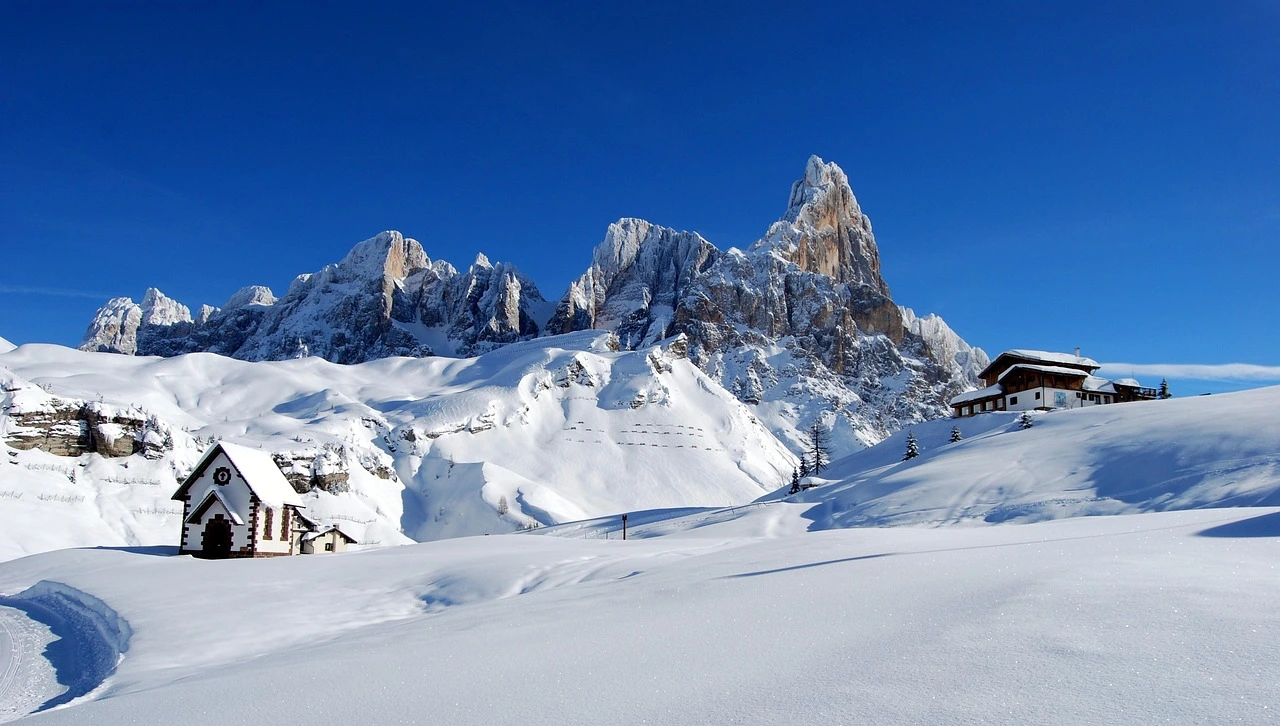
Italy doesn’t host winter mega-events often, and when it does, it does them beautifully. The Milano Cortina Winter Olympics and Paralympics transform northern Italy into a multi-destination journey that blends iconic cities, Alpine scenery, and world-class food into one unforgettable winter trip.
Unlike past Olympics centered around a single host city, Milano Cortina spreads across fashion capitals, historic towns, and mountain resorts. For travelers, that means flexibility: you can watch events (or simply soak up the atmosphere) while enjoying espresso in Milan, snow-covered peaks in the Dolomites, and candlelit dinners in medieval piazzas.
This guide focuses on travel inspiration + practical planning, how to move through Italy during the Games, where to base yourself, what winter is really like, and how to stay connected when crowds peak.
What Is Milano Cortina? Quick Context for Travelers
Milano Cortina refers to the 2026 Winter Olympics, scheduled for February 6 - 22, 2026, followed by the 2026 Winter Paralympics, taking place March 6 - 15, 2026. Together, they represent Italy’s most significant winter event in decades.
Unlike past Games centered around one host city, events and celebrations are distributed across northern Italy, including:
- Milan - the main international gateway and urban hub
- Cortina d'Ampezzo - the heart of the Alpine experience
- The Dolomites - dramatic mountain venues and resort towns
- Verona - a historic and strategically located base
The key takeaway is simple: this isn’t a trip focused on a single location. Milano Cortina acts as a connecting thread, allowing you to move through Italy and combine winter scenery, culture, and regional food within one cohesive itinerary.
Best Places to Base Yourself During the Games
Milan: Culture, Food & Easy Transport
Why stay here
- Major international airports (MXP, LIN)
- Italy’s best high-speed train connections
- Museums, shopping, dining, and nightlife
Milan is ideal if you want flexibility. You can attend events, take day trips, or simply enjoy Italy’s most modern city while the Alps remain a scenic train ride away.
Best for: first-time Italy visitors, shorter trips, travelers prioritizing convenience.
Cortina d’Ampezzo: Alpine Scenery & Ski-Town Charm
Why stay here
- At the heart of Alpine venues
- Stunning mountain views and ski access
- Cozy hotels and chalet-style lodging
Cortina offers the classic winter-sports atmosphere - snowy streets, fireplaces, and postcard scenery. Availability is limited, and prices peak during the Games, but the experience is unmatched.
Best for: mountain lovers, photographers, longer winter stays.
Alternative Bases
- Venice - Fewer crowds in winter, incredible atmosphere
- Bolzano - Alpine-Italian food culture, Christmas markets
- Verona - Central, romantic, and well-connected
These cities balance cost, charm, and transport - ideal if primary host cities are fully booked.
How to Get Around Italy During the Olympics
Flying in
- Milan Malpensa (MXP) handles most long-haul flights
- Milan Linate (LIN) is closer to the city center
Train travel
Italy’s high-speed rail network is the backbone of winter travel:
- Frecciarossa
- Italo
Trains are fast, warm, and reliable - even in winter.
Mountain connections
- Regional trains + buses connect to Cortina and Dolomite towns
- Allow buffer time; winter weather can slow schedules
Car rentals
Driving in the Alps sounds romantic - but snow, chains, and limited parking make it stressful. For most travelers, trains + buses would be easier.
What Winter Is Like in Northern Italy (Weather + Packing)
Typical temperatures
- Milan: 30 - 45°F (0 - 7°C)
- Alps/Dolomites: 15 - 30°F (-10 - 0°C)
What to pack
- Insulated jacket + layers
- Waterproof boots with grip
- Compact umbrella (city winter rain)
- Universal power adapter
Italy winters are cold but manageable - and cities are beautifully atmospheric without summer crowds.
Costs & Budget Expectations
Travel costs in northern Italy rise during major international events, but winter pricing still offers more range and flexibility than peak summer travel, especially when you’re willing to stay slightly outside core Olympic zones.
Accommodation (per night)
Prices vary widely by location and booking timing, with the biggest spikes in Alpine resort towns.
- Milan: $180 - 350
- Cortina/Dolomites: $280 - 500+
- Alternative cities: $140 - 250
Meals
Italy remains relatively affordable when it comes to food, even during high-demand periods.
- Casual lunch: $12 - 20
- Sit-down dinner: $25 - 40
- Coffee: $1.50 - 3 (standing at the bar)
Transport
Italy’s public transportation network keeps travel costs predictable, even during the Games.
- High-speed trains: $30 - 80 per leg
- Regional transport: $5 - 20
Staying Connected in Italy During the Games
Large international events often put pressure on mobile networks, and public Wi-Fi in stations, cafés, and event areas can be unreliable. Buying a physical SIM card after arrival usually means finding a store, completing local registration, and spending time on setup - something that can slow things down during a multi-city winter trip.
This is where an eSIM becomes a practical option. Maaltalk offers Italy eSIM plans that activate digitally before departure or shortly after landing, making it easier to stay connected while moving between Milan, the Alps, and other destinations.
What this looks like in practice:
- Digital setup with no physical SIM card or in-store registration
- Consistent coverage across cities, high-speed trains, and mountain regions
- Italy and Europe-wide plans, useful if the trip extends beyond one country
- Flexible data options, from lighter plans for maps and messaging to larger plans for frequent navigation and app use
- Typical plan pricing ranges from smaller short-stay options to higher-data plans (often around the $20–50 range, depending on coverage and duration)
- Free AI travel app, included to help with route planning, itinerary questions, and quick decisions when plans change
- Free 1 GB eSIM promotion, allowing you to try coverage before upgrading to a larger plan
With transport schedules, weather conditions, and crowd patterns constantly shifting during the Games, having mobile data set up in advance helps keep the trip running smoothly - without turning connectivity into another thing to manage on arrival.

Beyond the Olympics: What Else to Do in Winter Italy
It’s true that certain Olympic host areas will be busy during the Milano Cortina Games - especially Alpine venues and key event days. However, one of the biggest advantages of planning a winter trip to Italy during this period is that crowds remain highly concentrated, not countrywide. Once you step outside the immediate Olympic zones or travel during non-event hours, much of northern Italy still feels calmer than it does in peak summer.
Winter is already Italy’s quietest major travel season, and that natural slowdown helps balance the Olympic influx. While Cortina d’Ampezzo and specific transport routes will see increased traffic, many cities, towns, and experiences remain pleasantly uncrowded—making it easy to build a richer itinerary beyond the Games themselves.
Travelers who look past the venues can enjoy winter Italy at a slower, more atmospheric pace:
Relax in thermal spas and hot springs
Snow-covered surroundings make Italy’s thermal towns especially appealing in winter. Regions in the Alps and Veneto are known for naturally heated mineral baths, outdoor pools, and wellness complexes that feel far more tranquil than summer resorts—even during the Olympic season.
Enjoy wine tastings without peak-season crowds
Winter is an excellent time for wine travel in northern Italy. Vineyards are quieter, tasting rooms are more personal, and winemakers have more time to engage with visitors. Areas near Lombardy, Veneto, and Alto Adige offer cozy cellar experiences that pair naturally with cold-weather cuisine.
Follow Italy’s seasonal food culture
Winter brings some of Italy’s most comforting and regional dishes to the forefront. Menus focus on polenta, slow-cooked meats, cheeses, and truffle-based specialties. Seasonal food festivals and local markets celebrate winter ingredients, offering authentic experiences away from Olympic crowds.
Explore major cities during off-peak hours
Cities like Milan, Verona, and Venice remain active during the Games, but they rarely feel overwhelmed - especially on weekdays or during daytime hours when many visitors are attending events. Museums are easier to access, hotel availability improves outside core Olympic zones, and the overall pace feels more local.
The key is mindset: the Milano Cortina Olympics don’t need to dominate your entire trip. Instead, they can act as a highlight within a broader winter Italy journey, one that combines select event experiences with quieter cities, seasonal food, and restorative moments that many travelers miss by visiting only in summer.
Sample 7-9 Day Winter Italy Itinerary
Days 1 - 3: Milan - Culture, Cuisine & Easy Connections
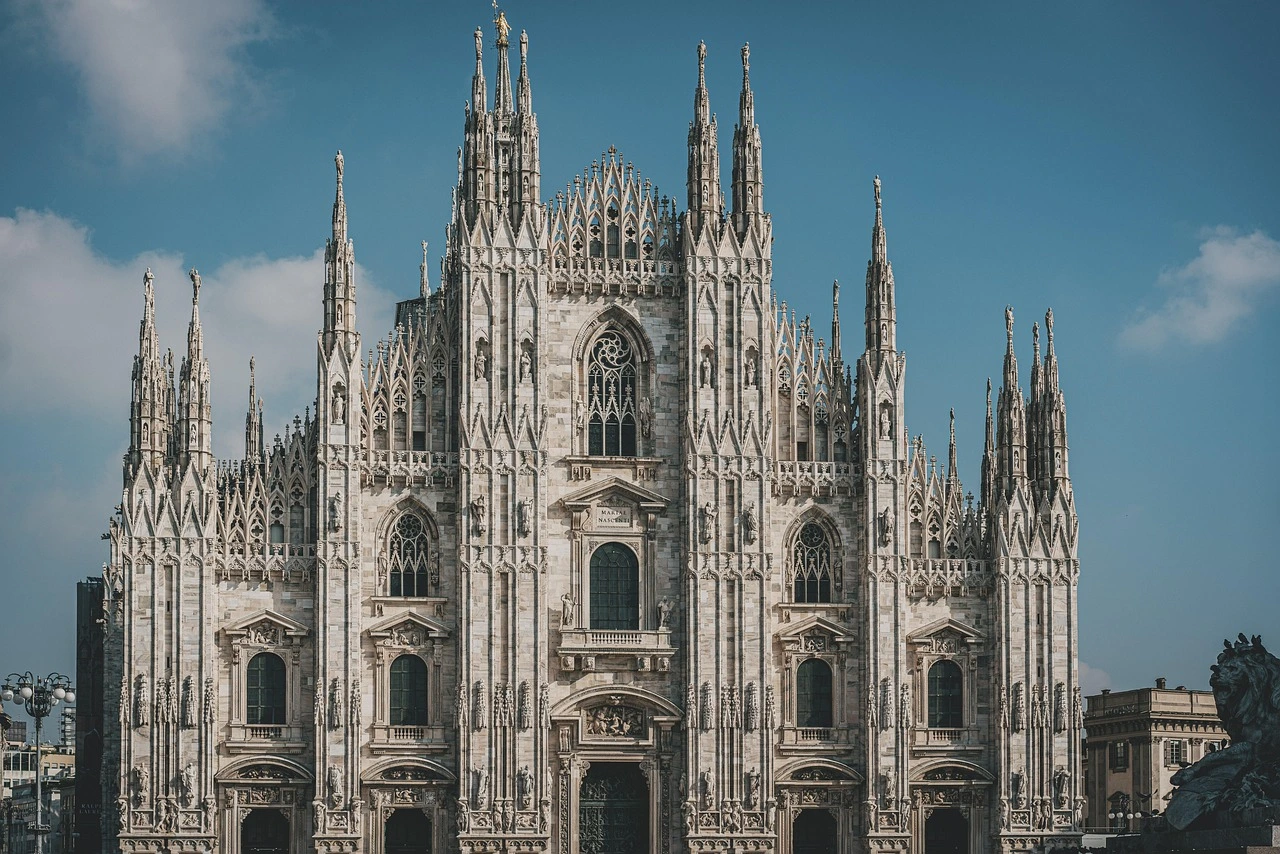
Begin your trip in Milan, Italy’s most convenient international gateway and a natural starting point for winter travel. These first days are ideal for adjusting to the time zone while exploring museums, shopping districts, and neighborhood dining.
Use Milan as a base for:
- Historic landmarks, galleries, and design districts
- Winter-friendly sightseeing with indoor attractions
- Optional day trips by train to nearby cities or lakes
Milan’s high-speed rail connections also make it the easiest place to pivot your plans if Olympic schedules or weather change.
Days 4 - 6: Cortina d’Ampezzo or the Dolomites - Alpine Italy
Midway through the trip, head north toward the mountains for a completely different side of Italy. Whether you stay directly in Cortina d’Ampezzo or in a nearby Dolomite town, this portion focuses on scenery, fresh air, and slower days.
Highlights include:
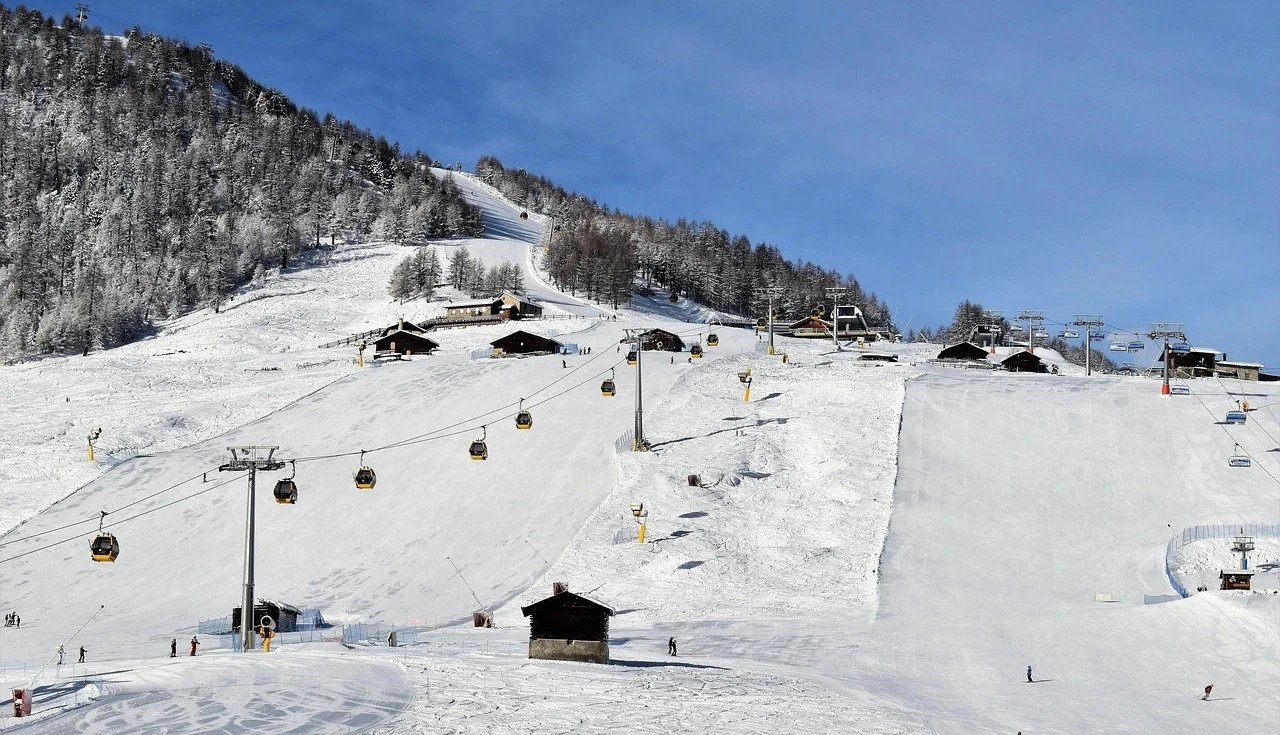
- Snow-covered landscapes and mountain villages
- Winter walks, ski towns, or scenic gondola rides
- Cozy hotels, alpine cuisine, and early evenings
Travelers attending Olympic events can align these days with competitions, while others may simply enjoy the Alps at their most atmospheric.
Days 7 - 9: Verona or Venice - History at a Winter Pace
End the trip in a smaller, historic city that feels especially charming in winter. Verona and Venice both offer rich cultural experiences without the intense summer crowds.
This final stretch is perfect for:
- Relaxed sightseeing and long meals
- Historic centers that are easy to explore on foot
- A softer landing before your return flight
Winter lighting, festive touches, and fewer tour groups make this an ideal way to wind down the journey.
Milano Cortina 2026 isn’t just a sporting event - it’s an invitation to experience Italy differently. Winter reveals a quieter, cozier side of the country, where food tastes richer, cities feel more intimate, and landscapes shine under snow.
Plan smart, travel light, stay connected, and use the Olympics as your excuse to explore winter Italy at its best.
FAQ: Milano Cortina Winter Travel
1. Is Italy expensive during the Winter Olympics?
Prices rise in host cities, but alternative bases and early booking help control costs.
2. Can you travel within Italy without a car in winter?
Yes. Trains and buses cover most routes efficiently.
3. Is Milan a good base for the Milano Cortina Olympics?
Absolutely, especially for transport, dining, and flexibility.
4. Do I need a SIM card or eSIM in Italy?
An Italy eSIM is the easiest option for short-term travelers.
5. Is winter a good time to visit Italy beyond the Olympics?
Yes, generally fewer crowds, festive cities, and unique seasonal experiences.