Free 1GB eSIM inside app





Northern Lights Travel Guide: Best Places and Times to See the Aurora
June 18, 2026
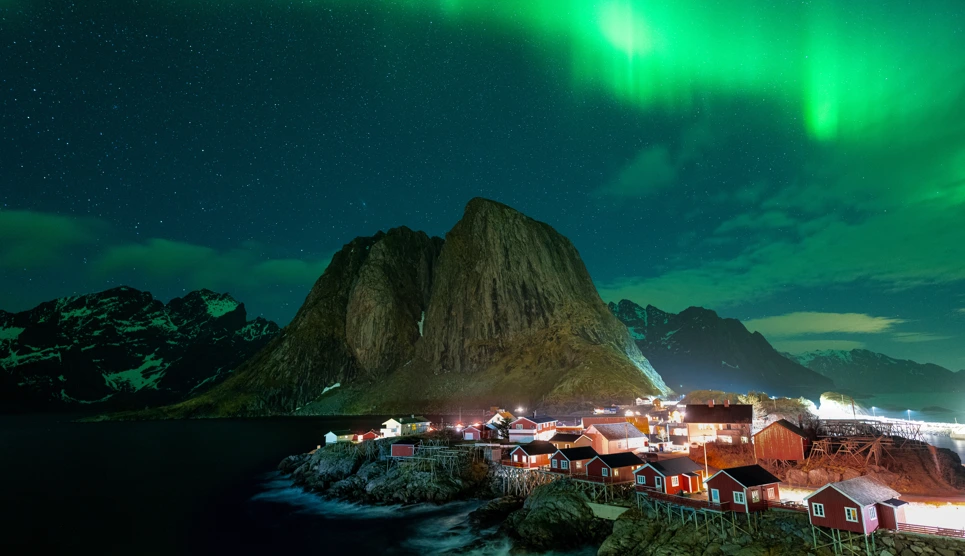
Few travel experiences feel as magical as watching the Northern Lights dance across the night sky. Waves of green, purple, and pink light ripple above snow-covered landscapes, creating a spectacle that has inspired travelers, photographers, and dreamers for generations.
Also known as the aurora borealis, the Northern Lights are one of the world's most sought-after natural phenomena. From the dramatic fjords of Norway to the vast wilderness of Canada and Alaska, travelers cross continents each year hoping to witness this unforgettable display.
While seeing the Northern Lights is never guaranteed, choosing the right destination, traveling during the best season, and understanding viewing conditions can dramatically improve your chances. This Northern Lights travel guide covers everything you need to know, including where to see the Northern Lights, the best time to visit, budgeting tips, photography advice, and practical planning information for your trip.
What Are the Northern Lights?
The Northern Lights occur when charged particles from the sun collide with gases in Earth's atmosphere. These collisions release energy in the form of colorful light displays that are visible near the Earth's polar regions.
What Causes the Northern Lights?
The Northern Lights occur when charged particles from the sun collide with gases in Earth's atmosphere, producing colorful displays of light near the polar regions.
The colors you see depend on which gases are involved and how high above the Earth the interaction occurs.
- Green auroras are the most common and are caused by oxygen molecules.
- Purple auroras often appear along the edges of stronger displays.
- Pink auroras can occur during intense solar activity.
- Red auroras are much rarer and typically appear at higher altitudes.
The Northern Lights are most frequently visible around the Arctic Circle because Earth's magnetic field directs solar particles toward the polar regions. This creates what is often called the Aurora Zone, where viewing conditions are generally best.
Best Places to See the Northern Lights
If you're wondering where to see the Northern Lights, these destinations consistently rank among the best aurora borealis destinations in the world.
Tromsø, Norway
Tromsø is often considered one of the world's premier Northern Lights destinations. Located above the Arctic Circle, it combines excellent aurora viewing opportunities with modern infrastructure, comfortable accommodations, and a wide range of guided tours.
You can enjoy spectacular fjords, dramatic mountain scenery, whale watching excursions, and Arctic experiences while waiting for the lights to appear.
The Norway Northern Lights season typically runs from September through March, making Tromsø a favorite choice for first-time aurora hunters.
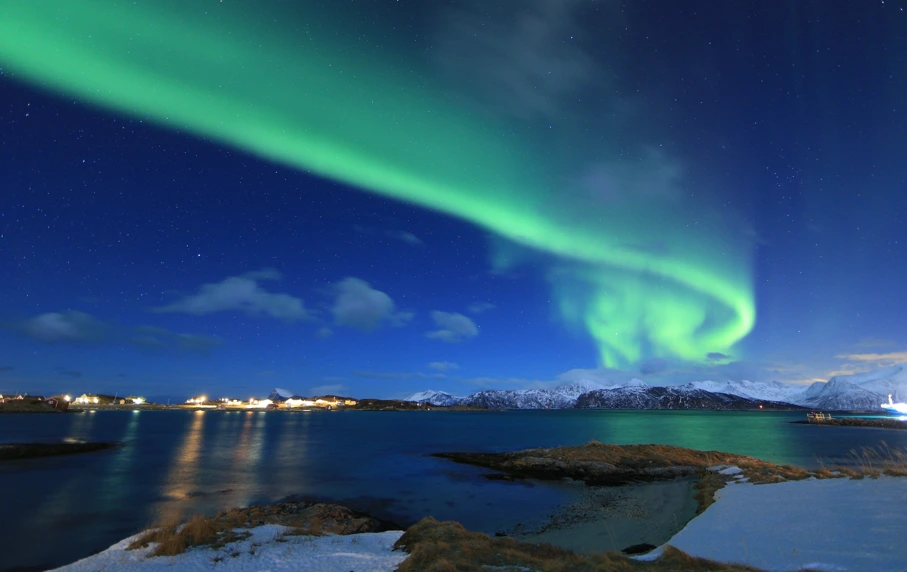
Finnish Lapland
Finnish Lapland offers a classic winter wonderland setting. Snow-covered forests, frozen lakes, reindeer sleigh rides, and cozy cabins create a magical atmosphere that feels straight out of a storybook.
The region is also famous for its glass igloos, allowing travelers to watch the night sky from the comfort of a warm room. A lot of families often choose Finland because it combines Northern Lights viewing with activities such as husky sledding, snowmobiling, and visits to Santa Claus Village.
Iceland
Iceland remains one of the most popular destinations for Northern Lights travel thanks to its accessibility and incredible scenery. A single trip can combine aurora viewing with visits to glaciers, volcanoes, waterfalls, geothermal lagoons, and black sand beaches.
Many people opt to rent a car and drive the Ring Road, giving themselves flexibility to chase clear skies and maximize their chances of seeing the aurora. The Iceland Northern Lights season generally runs from September through April.
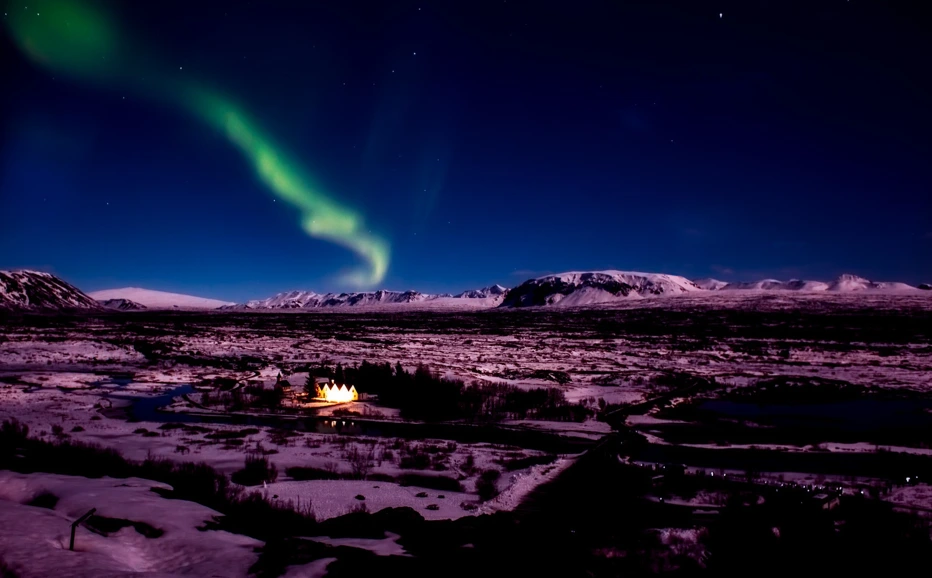
Abisko, Sweden
Abisko has developed a reputation as one of Europe's most reliable aurora viewing destinations.
Its famous "blue-sky microclimate" often creates clearer skies than surrounding regions, even when nearby areas experience cloud cover.
For those prioritizing their chances of seeing the Northern Lights, Abisko consistently ranks among the best places to see Northern Lights in Scandinavia.
Fairbanks, Alaska
Fairbanks is one of the best Northern Lights destinations in North America. The city sits directly under the auroral oval, an area where aurora activity is particularly frequent. Combined with its long winter nights, Fairbanks offers excellent viewing opportunities from August through April.
You can also relax in nearby natural hot springs while watching the sky, creating a uniquely Alaskan experience.
Yukon, Canada
For travelers seeking fewer crowds, Yukon offers some of the most pristine wilderness experiences in the world. Its remote location means extremely dark skies and excellent viewing conditions during the aurora season.
Many people find Yukon provides a more intimate and adventurous Northern Lights vacation compared to more heavily visited destinations.
Best Time to See the Northern Lights
One of the most common questions travelers ask is when to see Northern Lights displays. The answer depends on darkness, weather conditions, and solar activity.
| Destination | Best Months |
|---|---|
| Norway | September - March |
| Finland | September - March |
| Sweden | September - March |
| Iceland | September - April |
| Alaska | August - April |
| Yukon | August - April |
The best time to see Northern Lights displays generally falls between late autumn and early spring when nights are longest.
Ideal viewing conditions include:
- Dark skies
- Clear weather
- Minimal moonlight
- Strong aurora activity
Even during peak season, weather can significantly impact visibility. This is why many experienced travelers recommend building flexibility into your itinerary.
How to Increase Your Chances of Seeing the Aurora
Although nobody can guarantee a sighting, several strategies can significantly improve your odds.
1. Stay at Least 3 - 5 Nights
One of the biggest mistakes travelers make is booking only a single night.
Cloud cover can obscure the sky, even during periods of strong aurora activity. Staying for at least three to five nights gives you multiple opportunities and greatly increases your chances.
2. Check Aurora Forecasts
Several apps and websites provide aurora forecasts based on solar activity. Checking forecasts before and during your trip can help you plan evening excursions and determine whether conditions are favorable.
3. Get Away From City Lights
Light pollution makes auroras harder to see. The farther you travel from cities and towns, the darker the sky becomes. Many guided tours specifically focus on finding the darkest possible viewing locations.
4. Be Prepared to Stay Up Late
Northern Lights activity can occur at any time during darkness, but it often peaks between approximately 10 PM and 2 AM. Patience is one of the most important ingredients for a successful aurora experience.
5. Join a Guided Tour
For first-time visitors, guided tours often provide significant advantages.
Benefits include:
- Local knowledge
- Transportation
- Real-time weather monitoring
- Experience finding clear skies
- Photography assistance
Many guides spend their entire winter season tracking aurora activity and understand local conditions far better than most visitors.
What Does a Northern Lights Trip Cost?
The cost of a Northern Lights trip varies depending on destination, travel style, and season. Here are some estimates for 2026:
| Expense | Typical Cost |
|---|---|
| Flights | $300–$1,200+ |
| Hotels | $80–$350 per night |
| Aurora Tours | $75–$250 |
| Winter Clothing Rental | $20–$80 per day |
| Meals | $10–$40+ |
Budgeting Tips
- Travel during shoulder seasons when possible.
- Book accommodations early in popular destinations.
- Consider self-driving in Iceland or Finland.
- Compare tour providers before booking.
- Pack winter gear from home to avoid rental costs.
Many travelers can comfortably plan a Northern Lights vacation for between $1,000 and $3,000 depending on destination and trip length.
What to Pack for a Northern Lights Adventure
Standing outdoors in Arctic temperatures for several hours requires preparation. Essential items include:
- Thermal base layers
- Insulated winter jacket
- Waterproof boots
- Thick wool socks
- Gloves or mittens
- Hand warmers
- Power bank
- Smartphone
- Camera
- Tripod
Cold temperatures can drain batteries quickly, so carrying spare batteries and keeping electronics warm is highly recommended.
How to Photograph the Northern Lights
Capturing the aurora can be one of the highlights of your trip.
Smartphone Tips
Modern smartphones have become surprisingly capable for Northern Lights photography. For the best results:
- Use Night Mode
- Keep the phone completely stable
- Use a tripod when possible
- Experiment with longer exposures
Camera Tips
For dedicated photographers:
- Use a wide-angle lens
- Bring a sturdy tripod
- Choose a low aperture setting
- Shoot in manual mode
- Use higher ISO settings when necessary
One of the most valuable Northern Lights photography tips is to practice your camera settings before your trip. Adjusting settings in freezing temperatures while the aurora is actively dancing overhead can be challenging.
Staying Connected While Traveling
Planning a Northern Lights trip often involves checking weather forecasts, aurora prediction apps, road conditions, accommodation updates, and navigation in remote areas.
Reliable mobile data can make the entire experience smoother and less stressful.
Rather than searching for local SIM cards after arrival, many travelers now choose an eSIM before departure.
For destinations such as Iceland, Norway, Finland, Sweden, Canada, and the United States, our Maaltalk travel eSIM allows you to connect shortly after landing and access important information throughout your journey.
For travelers planning an aurora adventure, we at Maaltalk, offer affordable eSIM options that make it easy to stay connected while exploring some of the world's most remote and beautiful Northern Lights destinations.

Are the Northern Lights Worth Traveling For?
The short answer is yes. Part of what makes the Northern Lights so special is their unpredictability. Every sighting feels unique, and no two displays are exactly alike.
Even on nights when the aurora is faint, travelers often discover that the journey itself becomes just as memorable. Snow-covered forests, frozen lakes, Arctic wildlife, mountain landscapes, and peaceful winter nights create experiences that go far beyond the lights alone.
And when the sky finally erupts with swirling ribbons of green and purple, most travelers agree on one thing: it was worth the wait.
For most people, seeing the Northern Lights isn't simply another item on a bucket list. It's one of those rare travel moments that stays with you long after the trip ends.
FAQ: Northern Lights Travel
1. Where is the best place to see the Northern Lights?
Popular destinations include Tromsø in Norway, Finnish Lapland, Iceland, Abisko in Sweden, Fairbanks in Alaska, and Canada's Yukon region.
2. What month is best for seeing the Northern Lights?
September through March generally offers the best viewing conditions across most Northern Lights destinations, although Alaska, Yukon, and Iceland often extend into April.
3. Can you see the Northern Lights with the naked eye?
Yes. During strong aurora activity, the Northern Lights are often clearly visible without any special equipment.
4. How many nights should I stay to see the Northern Lights?
Most travelers should plan for at least three to five nights to improve their chances of favorable weather and aurora activity.
5. Are Northern Lights tours worth it?
For first-time visitors, guided tours can significantly improve the likelihood of finding clear skies and optimal viewing conditions.
6. Do I need a special camera to photograph the Northern Lights?
No. Many modern smartphones can capture auroras using Night Mode, although dedicated cameras typically produce better image quality.
7. Can you see the Northern Lights every night?
Not necessarily. Visibility depends on solar activity, weather conditions, cloud cover, and darkness levels.
8. Is Iceland the best place to see the Northern Lights?
Iceland is one of the most popular destinations, but Norway, Finland, Sweden, Alaska, and Yukon all offer exceptional aurora viewing opportunities.
9. How cold is it during Northern Lights season?
Temperatures vary widely by destination. Some Arctic regions regularly fall below 14°F (-10°C), while others remain closer to freezing.
10. Do I need internet access while chasing the Northern Lights?
Having reliable mobile data is extremely helpful for checking aurora forecasts, weather updates, maps, transportation information, and emergency communications while traveling in remote regions.