Free 1GB eSIM inside app





7 Days in Tokyo: The Ultimate First-Timer Guide
March 17, 2026
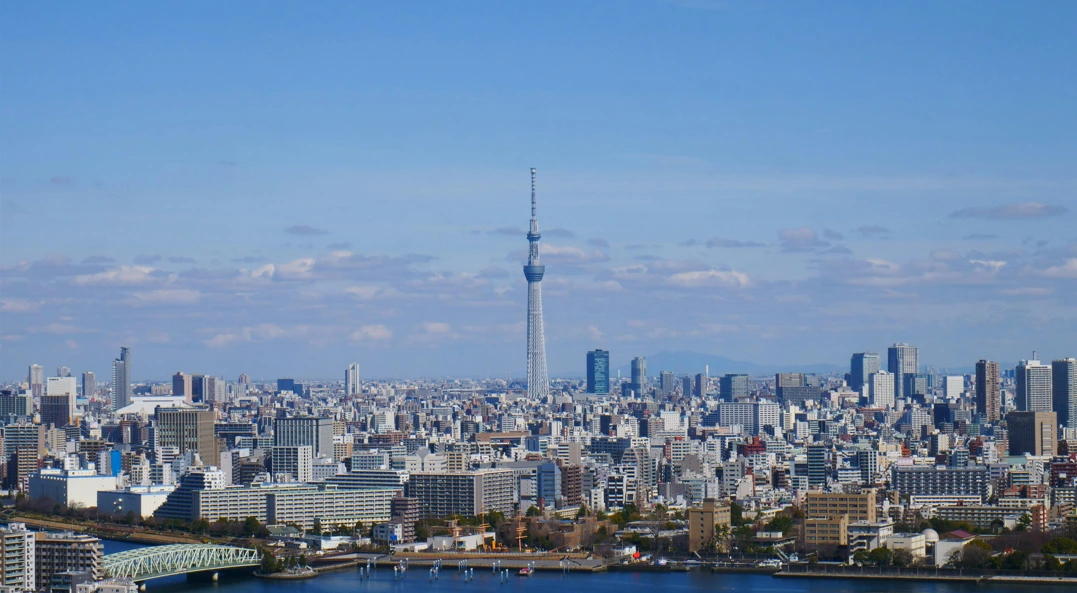
Planning your first trip to Tokyo is incredibly exciting, but it can also feel a little overwhelming. The city is one of the largest and most dynamic in the world, where centuries-old temples sit just blocks away from futuristic skyscrapers and neon-lit streets. One moment you’re exploring quiet shrine grounds, and the next you’re standing in the middle of the world-famous Shibuya Crossing watching hundreds of people move across the intersection at once.
Tokyo has something for every type of traveler. Food lovers can spend days trying ramen, sushi, and street snacks. Culture enthusiasts can explore historic temples like Senso-ji. And if you’re interested in pop culture, anime, fashion, and gaming districts offer a completely different side of the city.
The challenge for first-time visitors isn’t finding things to do - it’s deciding what to prioritize. Tokyo is enormous, and every neighborhood feels like its own mini city with unique attractions and atmosphere.
That’s why this 7 days in Tokyo itinerary is designed to make planning easier. Over one week, you’ll experience the city’s famous landmarks, explore both modern and traditional districts, enjoy some incredible food, and even take a day trip outside the city. It’s a balanced itinerary that helps you see the best of Tokyo without feeling rushed.
Why 7 Days Is the Perfect Amount of Time in Tokyo
One of the most common questions travelers ask when planning a Japan trip is how many days in Tokyo they really need.
Technically, you could spend weeks exploring the city and still discover something new every day. But for most first-time visitors, seven days in Tokyo hits the sweet spot. It’s long enough to explore the city’s highlights, but short enough to keep your itinerary manageable.
Tokyo is massive, and each district has its own personality. Traveling between neighborhoods takes time, and trying to see everything in two or three days usually ends up feeling rushed.
With a week in the city, you’ll have time to experience a variety of places, including:
- historic temples and traditional districts
- modern shopping and nightlife areas
- famous food markets and restaurants
- relaxing parks and gardens
- a scenic day trip outside Tokyo
This balance is what makes a Tokyo itinerary for 7 days so ideal. You get to see the city’s famous landmarks while still leaving room for spontaneous discoveries—often the best part of traveling in Japan.
Quick Overview: 7 Day Tokyo Itinerary
Before diving into the details, here’s a simple overview of what your one week in Tokyo could look like.
Day 1: Arrival and exploring Shinjuku
Day 2: Traditional Tokyo - Asakusa and Ueno
Day 3: Shibuya and Harajuku
Day 4: Akihabara and anime culture
Day 5: Day trip to Hakone or Kamakura
Day 6: Food and shopping in Ginza and Tsukiji
Day 7: Hidden neighborhoods and relaxed exploring
This route mixes Tokyo’s biggest attractions with some lesser-known areas so you can experience different sides of the city.
Day 1: Arrival in Tokyo + Explore Shinjuku
Your first stop in Tokyo should be Shinjuku, one of the city’s busiest and most exciting districts. Many travelers choose to stay here because it’s home to one of the largest train stations in the world, making it easy to reach almost anywhere in Tokyo.
Once you’ve checked into your hotel and settled in, start your exploration with a view of the city skyline. The observation deck at the Tokyo Metropolitan Government Building offers free panoramic views of Tokyo and is a great introduction to just how big the city really is.
If you’re looking for a quieter moment after your flight, head to Shinjuku Gyoen National Garden. This beautiful park combines traditional Japanese gardens with wide open green spaces and is one of the best places in the city to relax.
As evening arrives, Shinjuku truly comes alive. Neon lights fill the streets, restaurants start buzzing with locals, and small bars open their doors. You’ll find everything from ramen shops to yakitori stands.
One particularly memorable area is Golden Gai, a maze of narrow alleyways packed with tiny themed bars. Even if you only stop in for one drink, it’s a fascinating glimpse into Tokyo’s nightlife culture.
Day 2: Traditional Tokyo - Asakusa & Ueno
Your second day focuses on traditional Tokyo, starting in the historic district of Asakusa.
The main attraction here is Senso-ji, the city’s oldest and most famous temple. As you approach the temple, you’ll pass through the massive red Kaminarimon gate before walking down Nakamise Street, a lively pathway filled with souvenir stalls and street food vendors.
While exploring the area, make sure to try a few local snacks. Popular options include:
- sweet rice crackers
- matcha desserts
- freshly baked taiyaki pastries
After exploring Asakusa, head toward nearby Ueno, which has a slightly more relaxed atmosphere.
The large Ueno Park is the centerpiece of the district. It’s home to museums, temples, a zoo, and wide walking paths. If you’re visiting during spring, it’s also one of the best places in Tokyo to see cherry blossoms.
The surrounding streets are packed with casual restaurants and local markets, making this a great area to enjoy affordable Japanese meals.

Day 3: Shibuya and Harajuku
Day three takes you to two of Tokyo’s most famous and energetic districts.
Start in Shibuya, one of the most recognizable places in Japan. The highlight here is the legendary Shibuya Crossing. Watching hundreds of people cross the intersection from every direction at once is surprisingly mesmerizing, and it’s one of those moments that really makes you feel like you’re in Tokyo.
Shibuya is also a great place for shopping, cafés, and people-watching.
Just a short walk away you’ll find the peaceful forest surrounding Meiji Shrine. Walking through the tall torii gates and tree-lined paths feels worlds away from the busy streets nearby.
After visiting the shrine, continue to Harajuku, the center of Tokyo’s youth fashion culture.
Takeshita Street is the most famous part of the district, packed with colorful shops, crepe stands, and quirky cafés. Even if you’re not planning to shop, it’s one of the most entertaining streets to explore in the city.
If the crowds get overwhelming, take a relaxing stroll through nearby Yoyogi Park.
Day 4: Akihabara & Anime Culture
If you’re interested in gaming, anime, or electronics, Akihabara is an absolute must-visit.
Often referred to as Tokyo’s “Electric Town,” the district is filled with giant electronics stores, arcades, and shops selling everything from manga to collectible figures.
Some fun things to explore here include:
- multi-story anime and manga stores
- retro video game shops
- massive gaming arcades
- themed cafés
Even if you’re not deeply into anime culture, the atmosphere alone makes Akihabara worth visiting. Bright billboards, colorful storefronts, and music spilling out of arcades create an energy that feels uniquely Tokyo.
Day 5: Best Day Trip from Tokyo
One of the advantages of spending seven days in Tokyo is having enough time for a day trip outside the city.
Two of the most popular destinations are Hakone and Kamakura.
Hakone is famous for its relaxing hot springs, scenic mountain landscapes, and views of Mount Fuji on clear days. Visitors often combine a lake cruise with a ropeway ride through volcanic terrain.
Kamakura, on the other hand, offers a coastal atmosphere with beautiful temples and historic landmarks. The highlight is the giant bronze Great Buddha statue, which has stood here since the 13th century.
Both destinations are easy to reach from Tokyo by train and make excellent additions to a Tokyo itinerary.
Day 6: Food and Shopping - Ginza and Tsukiji
Tokyo is widely considered one of the best food cities in the world, so dedicating a day to eating and shopping is essential.
Start your morning at Tsukiji Outer Market. Although the famous fish auction moved elsewhere, the surrounding market is still full of food stalls and small restaurants.
Here you can try:
- freshly made sushi
- grilled seafood skewers
- tamagoyaki (Japanese omelet)
- street snacks and desserts
After lunch, explore Ginza, Tokyo’s upscale shopping district. Wide boulevards are lined with international fashion brands, department stores, and elegant cafés.
Even if you’re not planning to shop, it’s worth wandering around just to enjoy the atmosphere.
Day 7: Hidden Tokyo Neighborhoods
For your final day, explore some neighborhoods that feel a bit more local.
Shimokitazawa is one of Tokyo’s most creative districts. Known for vintage clothing stores, record shops, and independent cafés, it has a relaxed and artsy atmosphere.
Another great area is Daikanyama, which feels almost like a European neighborhood with stylish boutiques, bookstores, and quiet cafés.
Spend your final afternoon:
- browsing local shops
- picking up souvenirs
- relaxing in a café
- enjoying your last Japanese meal
It’s the perfect way to end a memorable week in Tokyo.
Where to Stay in Tokyo
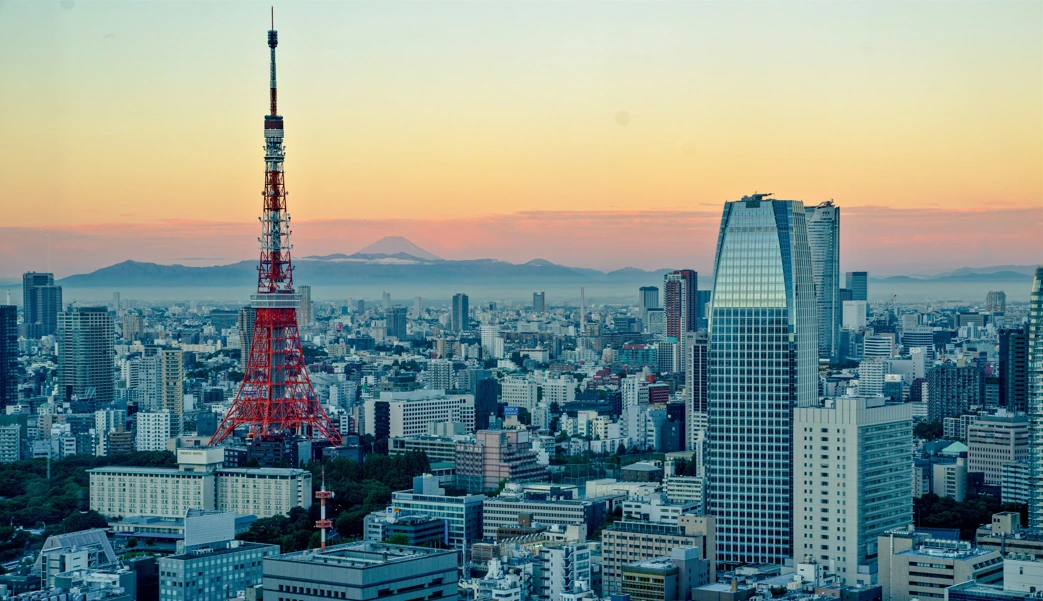
Choosing the right neighborhood can make exploring Tokyo much easier.
Many first-time visitors choose Shinjuku because it has excellent transport connections and a wide range of hotels. Shibuya is another great option if you want to stay somewhere lively with great restaurants and nightlife.
For travelers looking for a more upscale atmosphere, Ginza offers luxury hotels and high-end shopping nearby. Mid-range hotels in Tokyo usually cost around $120 to $250 USD per night, depending on the location and time of year.
Staying Connected in Tokyo
Reliable internet is incredibly useful when exploring Tokyo. Most travelers rely on their phones for navigation, translation apps, train schedules, and restaurant recommendations.
In the past, many visitors bought physical SIM cards at the airport or used expensive roaming plans. Today, Japan eSIMs have made staying connected much easier.
Many travelers install an eSIM before their trip so their phone connects to mobile data as soon as they land. We at Maaltalk offer affordable plans that can be activated in minutes, allowing you to use maps, messaging apps, and transport tools immediately after arriving.
For international travelers navigating Tokyo’s huge subway system, having instant internet access can make a huge difference.

Tokyo Travel Tips for First-Time Visitors
These Tokyo travel tips for first time visitors can make your trip much smoother.
First, consider getting a Suica or Pasmo transit card. These prepaid cards allow you to tap in and out of trains, subways, and buses without buying individual tickets.
Second, don’t worry too much about the subway system. It may look complicated at first, but Japan travel apps like Google Maps make navigating Tokyo surprisingly easy.
A few other helpful tips:
- Carry some cash for smaller shops and restaurants
- Download a translation app before your trip
- Avoid talking loudly on trains
- Try local restaurants rather than only tourist spots
Tokyo is one of the safest and most organized cities in the world, so exploring it is generally very easy even for first-time visitors.
FAQ: Tokyo 7 Day Itinerary
How many days do you need in Tokyo?
Most travelers find that 4 to 7 days in Tokyo is ideal. This gives you enough time to explore major neighborhoods, visit famous temples, experience the food scene, and take a day trip outside the city.
Is 7 days too long in Tokyo?
Not at all. Tokyo is enormous and full of unique neighborhoods. Spending seven days allows you to explore the city more comfortably while also discovering places beyond the main tourist attractions.
What is the best month to visit Tokyo?
Spring (March–April) is popular because of the cherry blossom season, while autumn (October–November) offers cooler temperatures and beautiful fall colors.
Is Tokyo expensive for tourists?
Tokyo can be expensive, but it’s manageable with planning. Many travelers spend roughly $120 - $250 USD per day, including accommodation, food, transportation, and attractions.
What area of Tokyo is best for first-time visitors?
Many travelers choose Shinjuku or Shibuya because both areas offer excellent transport connections, restaurants, and easy access to major attractions.
Can you explore Tokyo without speaking Japanese?
Yes. Tokyo is very traveler-friendly, with English signage in train stations and major tourist areas. Translation apps and navigation tools also make it easy to get around even if you don’t speak Japanese.