Free 1GB eSIM inside app





Can You Survive Shanghai Without Cash? A 2026 Guide to Alipay and WeChat Pay for Tourists
May 08, 2026

If you’re planning a trip to Shanghai in 2026, you’ve probably asked yourself one simple question: Do I actually need cash? The answer is surprisingly reassuring: not really.
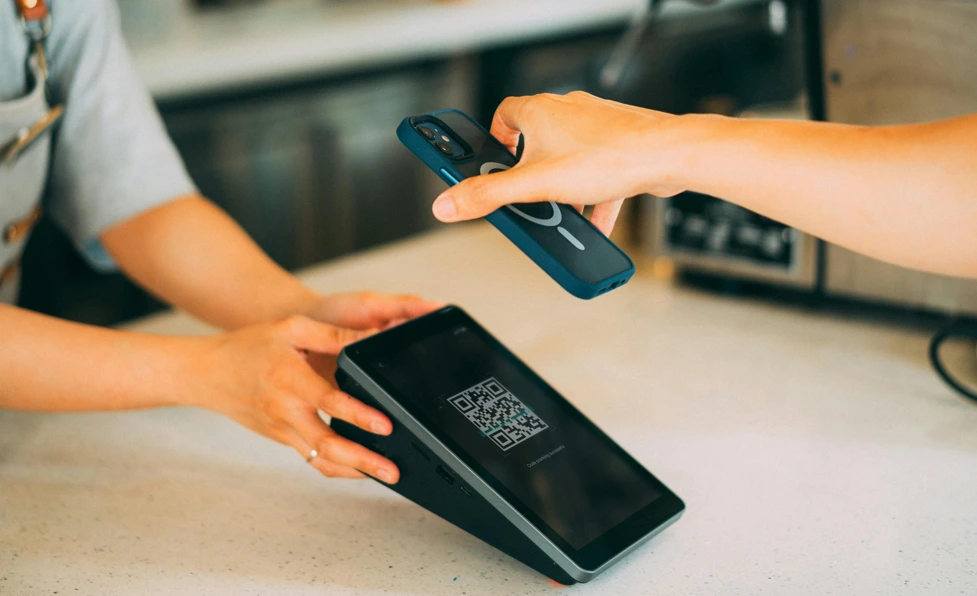
Shanghai has fully embraced digital payments, making it one of the most advanced cashless cities in the world. Whether you’re grabbing dumplings from a street vendor or shopping in a high-end mall, you’ll notice the same thing everywhere: QR codes instead of cash registers.
At first, this can feel unfamiliar. But once you understand how it works, paying in Shanghai becomes faster, easier, and more convenient than using cash ever was.
This guide will walk you through everything you need to know about Shanghai cashless travel, including how to use Alipay and WeChat Pay as a tourist, how to set them up, and how to avoid common pitfalls, so you can focus on enjoying your trip.
Is Shanghai Really Cashless in 2026?
Shanghai isn’t officially cash-free, but in everyday life, it’s about as close as it gets.
Cash is still legally accepted, but in practice, it’s rarely used. Many small businesses simply don’t handle it often enough to make transactions smooth. You might run into situations where vendors don’t have change or prefer you pay digitally instead.
Here’s what cashless China looks like in real life:
- Street food vendors display QR codes for instant payment
- Taxis expect mobile or app-based payments
- Convenience stores process transactions in seconds via apps
- Local markets and small shops rely almost entirely on QR payments
For travelers, this means one thing: understanding how to pay in China as a tourist is essential for a stress-free experience.
What Are Alipay and WeChat Pay?
If you’re new to China payment apps, think of them as digital wallets but far more powerful.
Alipay
Alipay is one of the most widely used payment platforms in China. It’s designed specifically for transactions and offers a streamlined, user-friendly interface.
You can use Alipay to:
- Pay in stores and restaurants
- Book transportation
- Order food
- Manage travel services
WeChat Pay
WeChat Pay is built into WeChat, China’s all-in-one super app. While it’s primarily a messaging platform, its payment system is deeply integrated into daily life.
With WeChat Pay, you can:
- Send and receive money
- Pay for services
- Book tickets and experiences
- Interact with businesses directly
Both apps rely on QR code payments, which means you either scan a vendor’s code or show your own for them to scan. Once you get used to it, it’s incredibly fast.
Mastering Alipay: The International Traveler’s Best Friend
Alipay is the easiest payment app for tourists in 2026. You can link a foreign credit card, verify your passport, and pay almost everywhere with QR codes or NFC tap-to-pay. Alipay has become incredibly foreigner-friendly in recent years and in 2026, it’s basically your default payment tool.
What’s new in 2026
- Dedicated International Version
- Up to $5,000 per transaction limit
- Seamless Visa & Mastercard support
- New Tap-to-Pay (NFC) feature
Step-by-step setup
- Download Alipay (before arriving)
- Switch to International Version
- Add your credit card (Visa/Mastercard)
- Complete passport verification
That’s it - you’re ready to pay.
What you’ll use it for
- Restaurants
- Cafés
- Metro and trains
- Street vendors
- Shopping malls
Pro tip: Alipay Tap
In 2026, many places support tap-to-pay, meaning you don’t even need to scan QR codes anymore, just tap like Apple Pay.
WeChat Pay: More Than Payments: Your Travel Companion
WeChat Pay is part of a larger ecosystem that includes messaging, bookings, and “mini-programs.” It’s essential for daily life, especially for transport, reservations, and communication. WeChat isn’t just an app, it’s basically China’s digital operating system.
Why you need it
While Alipay is great for payments, WeChat is essential for:
- Messaging locals or guides
- Booking services
- Accessing “mini-programs”
How to set it up
- Open WeChat
- Go to “Services” → “Wallet”
- Link your international card
- Verify your identity
What are mini-programs?
These are built-in apps inside WeChat. You’ll use them for:
- Ordering food via QR code at restaurants
- Booking museum tickets
- Calling a Didi taxi
The social layer
If you meet locals or join a tour, chances are they’ll ask: “Do you have WeChat?” It’s basically how everything, from payments to communication, happens.
The 2026 Wildcard: The Digital Yuan (e-CNY)
The Digital Yuan (e-CNY) is China’s official digital currency. It offers zero transaction fees and is increasingly accepted, making it a smart option for larger purchases. China’s government-backed digital currency is becoming more relevant, especially for travelers.
Why it matters
- Zero service fees
- Works with international cards
- Accepted at more locations in 2026
When to use it
Alipay and WeChat often charge ~3% fee for transactions over 200 RMB ($28). e-CNY avoids this entirely.
Best use cases
- Hotels
- High-end restaurants
- Shopping
It’s not essential but it’s a smart addition if you want to save on fees.
Why Internet Access Is Essential
Here’s something many travelers overlook: mobile payments don’t work offline. Without internet access, you won’t be able to:
- Load your QR code
- Scan a vendor’s code
- Confirm transactions
In a city like Shanghai, where everything depends on your phone, connectivity isn’t optional - it’s essential. Relying on public Wi-Fi can be frustrating and inconsistent. Instead, nowadays many travelers choose getting a China eSIM for reliable, instant access.
For example, our affordable China eSIM plans activate immediately and work as soon as you land, so you can pay, navigate, and communicate without interruption. Having data from the moment you arrive makes a huge difference, especially when your phone doubles as your wallet.

A Day in Shanghai: Real-Life Payment Scenarios
From morning coffee to evening fine dining, every part of your day in Shanghai can be handled through mobile payments, quickly and seamlessly.
Let’s walk through a typical day:
Morning
You grab coffee in the French Concession:
- Cost: 30 RMB ($4.20)
- Payment: Scan Alipay QR
Afternoon
You hop on the metro:
- Open Alipay → Metro QR
- Scan and enter instantly
Lunch
At a casual restaurant:
- Scan table QR
- Order + pay via WeChat mini-program
Evening
Dinner at a Bund restaurant:
- Bill: 400 RMB ($56)
- Pay via Alipay or e-CNY
Street food
Even small vendors prefer QR codes over cash. You’ll quickly notice that cash feels outdated in Shanghai.
Alipay vs. WeChat Pay vs. e-CNY
| Feature | Alipay | WeChat Pay | e-CNY |
|---|---|---|---|
| Setup Ease | Very easy | Easy | Moderate |
| Foreign Card Support | Yes | Yes | Yes |
| Acceptance | Extremely high | Extremely high | Growing |
| Fees | ~3% over 200 RMB ($28) | ~3% over 200 RMB ($28) | 0% |
| Best Use | Daily payments | Lifestyle + payments | Large purchases |
Common Challenges (and How to Avoid Them)
Even with improvements, there are still a few common issues travelers face when using China payment apps.
1. Payment Doesn’t Go Through
Sometimes international cards may be declined.
Solution: Add multiple cards if possible.
2. Verification Delays
Identity checks can take time.
Solution: Set everything up before your trip.
3. No Internet Connection
Without data, payments simply won’t work.
Solution: Use a reliable eSIM instead of depending on Wi-Fi.
4. App Compatibility
Some vendors prefer Alipay, others prefer WeChat Pay.
Solution: Always have both installed and ready.
Shanghai Travel Tips for 2026
To make your experience even smoother, keep these tips in mind:
- Set up apps before arriving
- Bring a power bank (your phone is your wallet)
- Screenshot backup payment codes
- Use built-in translation features
- Don’t rely entirely on hotel Wi-Fi
These small preparations can make a big difference once you’re on the ground.
FAQ: Shanghai Cashless Travel in 2026
1. Can you survive Shanghai without cash?
Yes, most travelers can rely entirely on mobile payments, especially in central areas.
2. Can I use Alipay in China with an international credit card?
Yes. Since recent updates, Alipay fully supports Visa and Mastercard for tourists.
3. Is WeChat Pay available for foreigners?
Yes, although some features may be limited compared to local users.
4. Is cash accepted in Shanghai in 2026?
Yes, but it’s rarely used and sometimes inconvenient.
5. Can I use credit cards in Shanghai?
Only in larger establishments like hotels and malls. For daily transactions, mobile payments are preferred.
6. What happens if I don’t have internet?
You won’t be able to complete mobile payments, which can make everyday situations difficult.
7. What happens if I spend over 200 RMB ($28)?
You may be charged a ~3% fee. Use e-CNY to avoid this.
8. What’s the best eSIM for China travel?
A reliable China eSIM like Maaltalk allows you to stay connected instantly, which is essential for payments, maps, and communication.
9. Which is better: Alipay or WeChat Pay?
Both are widely accepted. The best approach is to use both for maximum flexibility.
