Free 1GB eSIM inside app





Does Apple Pay Work Internationally? A Complete Travel Guide
February 19, 2026
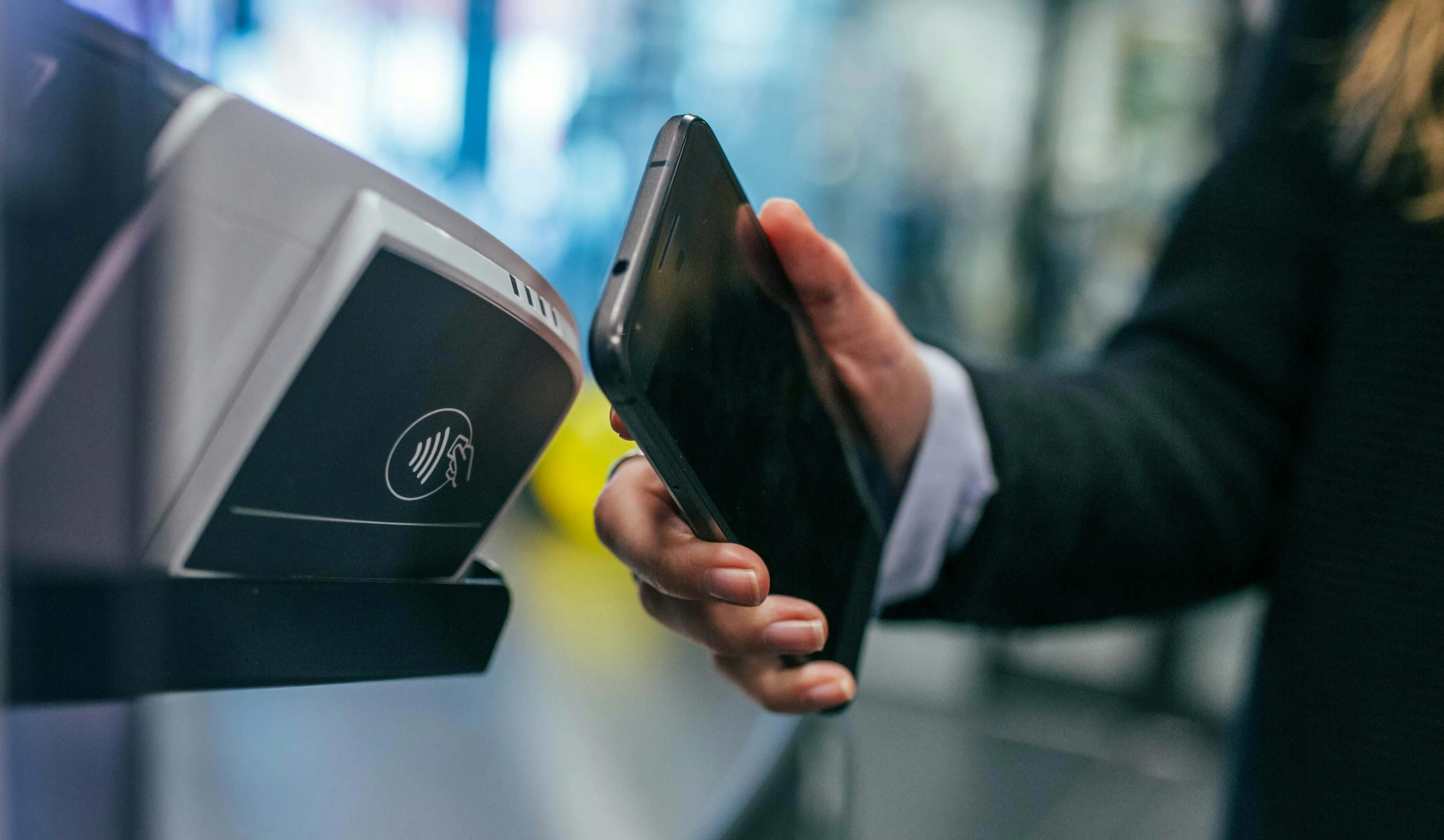
Mobile payments have become second nature for many travelers. From tapping your phone at a café to paying for public transport with your watch, Apple Pay promises speed, convenience, and added security. But once you leave the United States, an important question comes up: does Apple Pay work internationally?
The short answer is yes - Apple Pay works in many countries around the world. However, how well it works depends on where you’re traveling, which card you’ve added to your Wallet, and how prepared you are before you go. This guide breaks down everything you need to know about using Apple Pay abroad, including supported countries, fees, common issues, and practical travel tips.
What Is Apple Pay and How Does It Work?
Apple Pay is Apple’s contactless payment system that lets you make purchases using an iPhone, Apple Watch, iPad, or Mac. Instead of handing over a physical card, you authenticate a payment with Face ID, Touch ID, or a device passcode.
When you pay with Apple Pay:
- Your real card number is never shared with the merchant.
- A unique, encrypted token is used for each transaction.
- Payments rely on NFC (near‑field communication) terminals, the same ones used for contactless cards.
Apple Pay can be used in stores, on public transport systems, within apps, and on websites. It’s important to note that Apple Cash is different from Apple Pay and only works within the United States. When traveling internationally, you’ll be using Apple Pay linked to your credit or debit cards, not Apple Cash.
Does Apple Pay Work Internationally?
Yes, Apple Pay works internationally - and in many cases, surprisingly well. Apple officially supports Apple Pay in dozens of countries across Europe, Asia, the Americas, the Middle East, and Oceania. In these locations, Apple Pay works anywhere contactless payments are accepted.
Apple Pay Supported Regions
Some of the most popular travel destinations where Apple Pay is widely accepted include:
- Europe: United Kingdom, France, Germany, Italy, Spain, Netherlands, Scandinavia, and many others
- Asia-Pacific: Japan, South Korea, Singapore, Hong Kong, Australia, New Zealand
- Americas: Canada, Mexico, Brazil
- Middle East: United Arab Emirates, Saudi Arabia
In these regions, Apple Pay often works at supermarkets, restaurants, retail stores, hotels, and public transport systems - especially in major cities.
What If a Country Isn’t Officially Supported?
Even if a country isn’t listed as officially supported by Apple, you may still be able to use Apple Pay. If:
- Your card issuer supports Apple Pay, and
- The merchant uses a standard contactless NFC terminal
then Apple Pay often works just like a regular contactless card. Acceptance depends more on the payment terminal than on Apple Pay itself.
Using Apple Pay Abroad: What Travelers Should Know
While Apple Pay is convenient, international travel adds a few extra considerations.
Merchant Acceptance
Apple Pay works anywhere you see the contactless payment symbol. That said, acceptance varies:
- Generally high acceptance: Large cities, airports, chain stores, hotels, and transit systems
- Generally lower acceptance: Small towns, local markets, or countries where cash is still dominant
Some terminals may accept contactless cards but still ask for a PIN after a certain spending limit.
Internet and Connectivity
Apple Pay itself does not require constant internet access to complete a transaction. However, having mobile data is still important for:
- Setting up Apple Pay before or during your trip
- Verifying cards with your bank
- Receiving transaction notifications
Many travelers rely on a travel eSIM to stay connected abroad. A global or regional eSIM from a provider like Maaltalk can make it easier to manage connectivity across multiple countries without swapping physical SIM cards, which is especially useful if you need to troubleshoot Apple Pay while on the move.
Using a travel eSIM is particularly helpful on multi-country trips, where switching local SIM cards can interrupt service or require re-verification from your bank.

Device and Battery Considerations
If your phone battery dies, Apple Pay goes with it. Carrying a small power bank is a smart backup, especially when you’re relying on digital payments throughout the day.
Fees, Exchange Rates, and Limits
Apple does not charge extra fees for using Apple Pay internationally. However, your card issuer might.
Foreign Transaction Fees
Many U.S.-issued cards charge a foreign transaction fee, typically around 1%–3% per purchase. Apple Pay does not eliminate these fees - they’re applied exactly as if you used the physical card.
Using a card with no foreign transaction fees is one of the best ways to save money when paying abroad.
Currency Conversion
Currency conversion rates are handled by your card network (Visa, Mastercard, or Amex), not Apple Pay. The rate is usually competitive, but it can vary slightly day to day.
Spending Limits
Some countries impose contactless limits. If a purchase exceeds the local limit, the terminal may ask you to insert your card or enter a PIN, even if Apple Pay is accepted.
What to Do If Apple Pay Doesn’t Work
Even in countries where Apple Pay is common, it won’t work 100% of the time. Here’s how to prepare:
- Carry at least one physical card as a backup
- Keep some local cash, especially in cash‑heavy destinations
- Enable travel notifications with your bank before departure
- Have an alternative payment app (such as Google Pay or a multi‑currency card)
Many travelers also add a multi‑currency card (like Wise) to Apple Pay, which can sometimes improve acceptance and reduce fees.
Apple Pay vs Other Payment Options Abroad
Apple Pay vs Physical Cards
Pros:
- Better security (no exposed card number)
- Faster checkout
- Lower risk if your phone is lost (can be remotely locked)
Cons:
- Depends on device battery
- Not accepted everywhere
Apple Pay vs Cash
Apple Pay is more convenient and safer than carrying large amounts of cash, but cash is still essential in certain regions and small businesses.
So, does Apple Pay work internationally? For most travelers, the answer is a confident yes. Apple Pay is widely accepted across the globe and offers a secure, convenient way to pay while traveling. With the right preparation, supported cards, backup payment methods, and reliable connectivity, Apple Pay can easily become your go-to payment option abroad.
Staying connected plays a bigger role than many travelers expect, especially when payments, banking alerts, and verification codes depend on mobile data. Tools like travel eSIMs from Maaltalk help ensure uninterrupted connectivity across borders, making it easier to rely on Apple Pay throughout your journey.
As international travel becomes more digital, combining mobile payments with dependable data access helps you stay flexible, secure, and ready to pay wherever your trip takes you.
FAQ: Does Apple Pay Work Internationally?
1. Does Apple Pay work in Europe?
Yes. Apple Pay is widely accepted across Europe, especially in Western and Northern European countries. It works particularly well in the UK, France, Germany, Italy, and the Nordics.
2. Can I use Apple Pay with U.S. credit cards abroad?
Yes. If your U.S. card supports Apple Pay, you can generally use it internationally wherever contactless payments are accepted.
3. Does Apple Pay charge foreign transaction fees?
No. Apple Pay itself does not charge fees, but your card issuer may apply foreign transaction fees.
4. Why doesn’t Apple Pay work at some international merchants?
Common reasons include:
- The terminal doesn’t support contactless payments
- Local spending limits require PIN verification
- Temporary connectivity or bank authorization issues
5. Is Apple Pay safe to use internationally?
Yes. Apple Pay is considered very secure due to tokenization and biometric authentication. In many cases, it’s safer than using a physical card abroad.
6. Do I need internet access to use Apple Pay overseas?
Not always for payments, but internet access is helpful for setup, verification, and account alerts. Having reliable mobile data while traveling makes the experience smoother.