Free 1GB eSIM inside app





First Time in Japan: What Travelers Should Know
February 12, 2026
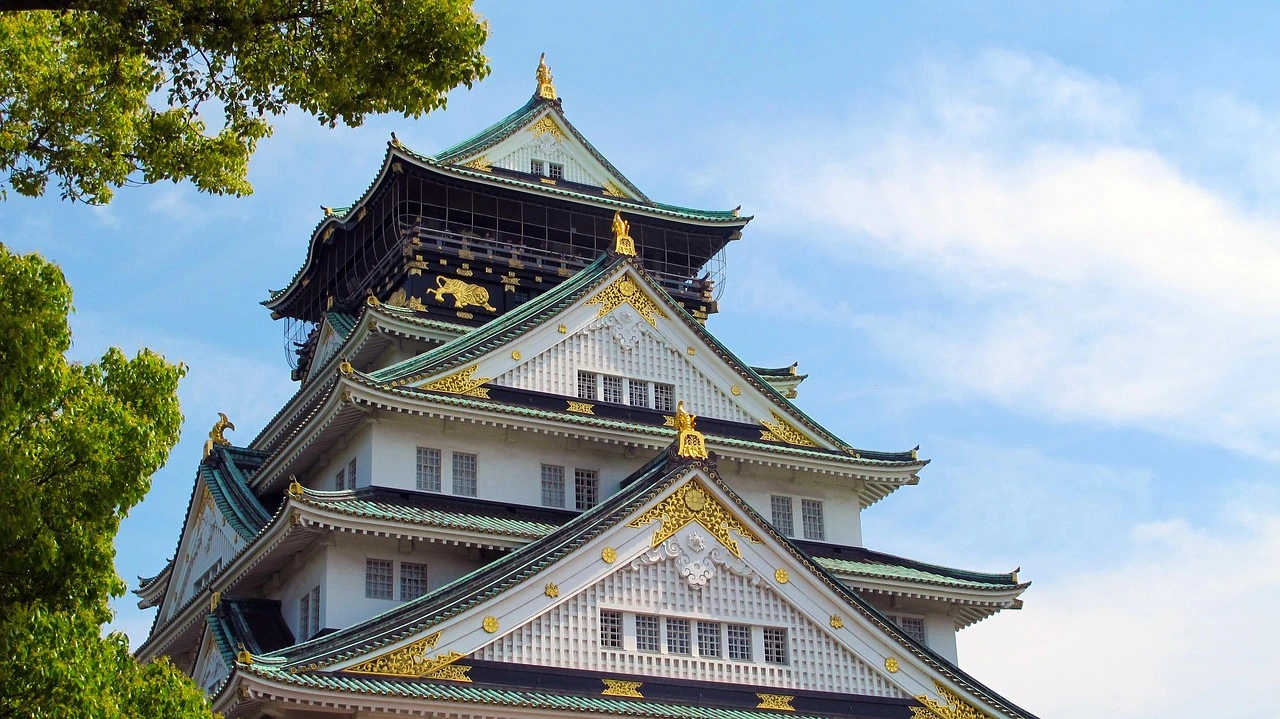
Japan is one of those destinations that feels both incredibly exciting and slightly intimidating - especially if it’s your first visit. The good news? Japan is safe, clean, organized, and remarkably traveler-friendly once you understand a few basics. The confusing part is that those basics like trains, etiquette, cash, reservations aren’t always obvious before you arrive.
This guide is written for anyone visiting Japan for the first time and wondering: What do I need to book? How do trains actually work? How much cash should I carry? What mistakes should I avoid? By the end, you’ll feel prepared to navigate cities confidently, avoid cultural slip-ups, and enjoy the trip instead of stressing over logistics.
A couple of surprises most first-timers notice right away: trains are quiet, tipping doesn’t exist, and cash is still useful even in major cities. Later in this guide, you’ll also find a simple starter
itinerary covering Tokyo, Kyoto, and Osaka - a classic route that works exceptionally well for first trips.
Quick Answers for First-Timers (Save This)
If you’re skimming, start here. These are the things most travelers want to know immediately:
- Visa: Short tourist visits (up to 90 days) are visa-free for U.S. passport holders.
- Arrival forms: Use Visit Japan Web to complete immigration and customs online before landing.
- Money: Carry some cash, but credit cards are widely accepted in cities.
- Trains: Get an IC card (Suica or PASMO) as soon as possible.
- JR Pass: Often not worth it anymore due to price increases so calculate carefully.
- Tipping: Not expected anywhere in Japan.
- Connectivity: An eSIM is the easiest way to stay connected from the moment you land. Many travelers use Maaltalk Japan eSIM plans to avoid SIM card counters and pocket Wi-Fi returns.
This section is intentionally concise - it’s designed to answer the most common “first time in Japan” questions in seconds.
Before You Go: Entry, Documents, and What to Book First
Passport and Entry Basics
Make sure your passport is valid for the duration of your stay. Japan does not currently require long validity buffers for short tourist visits, but having at least several months remaining is always wise.
Most travelers entering Japan for tourism can stay up to 90 days without a visa. Immigration officers may ask for proof of onward travel and your accommodation details, so keep those handy (digital copies are fine).
Use Visit Japan Web (It’s Worth It)
Japan strongly encourages travelers to complete arrival procedures through Visit Japan Web, an official online system that replaces paper forms.
How it works (3 simple steps):
- Create an account before your trip
- Enter passport details and trip information
- Save the generated QR codes on your phone
At immigration and customs, you’ll simply scan the QR code instead of filling out forms on arrival. It can save significant time at busy airports like Haneda Airport and Narita International Airport.
What to Reserve Early
For first-time travelers, reservations matter more than you might expect—especially during peak seasons.
Consider booking early:
- Hotels in Kyoto (rooms sell out fast)
- Traditional ryokan stays
- Popular museums or observation decks
- Flights arriving at Kansai International Airport if visiting Kyoto/Osaka first

When to Visit Japan (and What First-Timers Usually Enjoy Most)
Japan is a year-round destination, but each season feels very different.
Spring (March - May): Mild weather and cherry blossoms make this the most popular time. Expect crowds and higher hotel prices, especially in Tokyo and Kyoto.
Summer (June - August): Hot and humid, but packed with festivals and fireworks. Cities are quieter with international tourists, though domestic travel peaks during holidays.
Fall (September - November): One of the best seasons for first-timers. Comfortable temperatures, autumn foliage, and fewer crowds than spring.
Winter (December - February): Great for travelers who dislike crowds. Cities are calm, skies are often clear, and snow regions offer world-class skiing.
Avoid focusing on exact blossom dates as weather changes yearly. Instead, choose based on crowd tolerance and climate comfort.
Money in Japan: Cash, Cards, ATMs, and Budget Reality
Japan is modern, but cash still matters especially for first-time visitors.
Cash vs Cards
Credit cards are widely accepted in:
- Hotels
- Department stores
- Large restaurants
- Train ticket counters
Cash is still needed for:
- Small restaurants
- Local shops
- Rural areas
- Some temples and markets
ATMs inside konbini (convenience stores) are the most reliable for foreign cards.
Typical Daily Costs (USD ranges)
- Meals: $8 - 15 casual, $20–35 mid-range
- Local transport: $5 - 12/day
- Hotels: $70 - 120 business hotels, $150 - 300+ for ryokan
Tax-Free Shopping (Know This)
Japan offers tax-free shopping for tourists, but rules are evolving:
- Purchases must usually be shown at departure
- Some items must remain sealed
- Shipping items home yourself can affect eligibility
- A refund-based system is planned for future implementation
Don’t get burned: Always bring your passport when shopping and follow store instructions closely.
Getting Around Without Stress: Trains, IC Cards, and the Shinkansen
Japan’s transportation system looks overwhelming—but it’s incredibly logical once you understand the basics.
Start With an IC Card (Suica or PASMO)
An IC card lets you tap in and out of:
- Trains and subways
- Buses
- Vending machines
- Konbini
You can load it with cash or credit and use it almost everywhere. Mobile versions also work on many smartphones.
Train Etiquette First-Timers Notice Immediately
- Trains are quiet - phone calls are avoided
- Line up where floor markings indicate
- Remove backpacks in crowded cars
- Priority seating is respected
Shinkansen 101
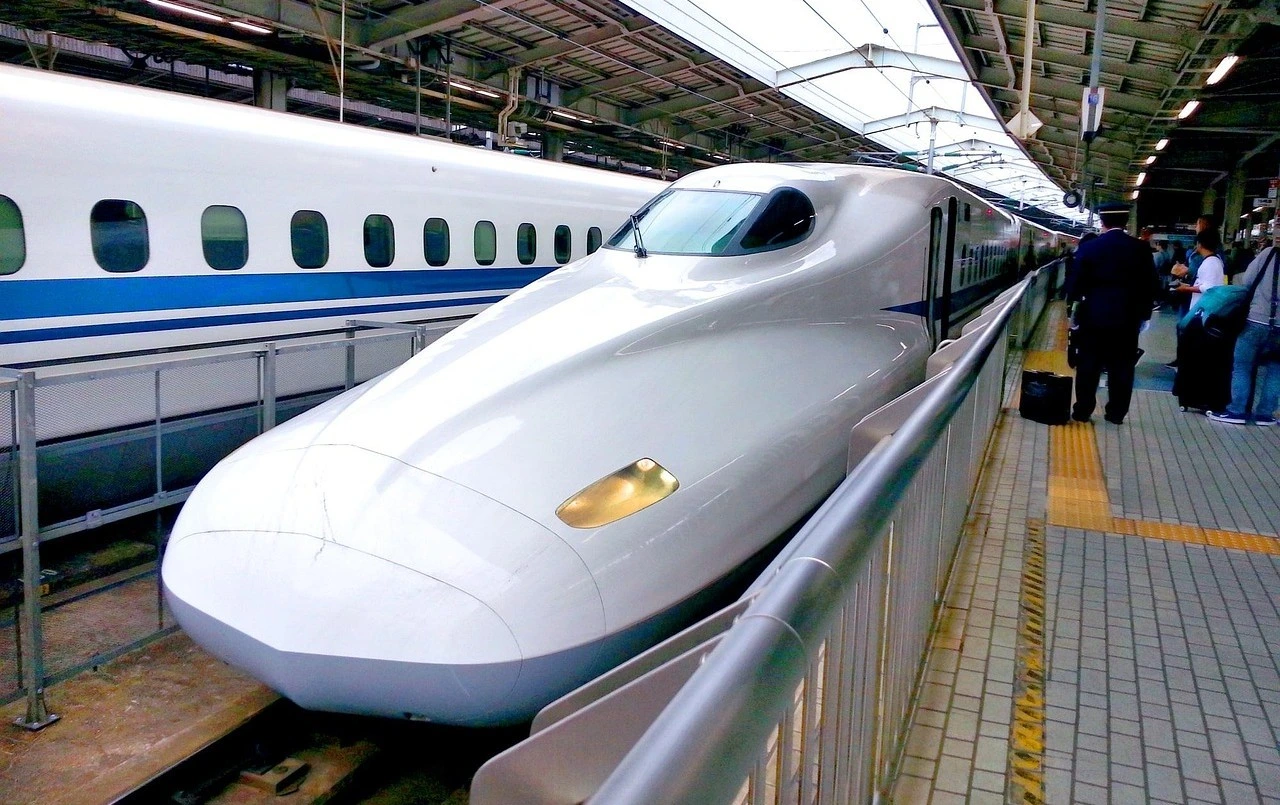
The Shinkansen is the fastest, easiest way to travel between cities. Seats are comfortable, departures are punctual, and signage is bilingual.
Arrive 15–20 minutes early, store luggage overhead or behind seats, and enjoy the ride—it’s often a highlight of the trip.
Is the JR Pass Worth It Anymore?
Due to major price increases, the JR Pass is no longer an automatic deal.
Rule of thumb:
If you’re doing a Tokyo ↔ Kyoto/Osaka round-trip plus additional long-distance travel in a short window, compare prices carefully. Otherwise, buying individual tickets or regional passes often costs less.
Where to Stay: The Japan Accommodation Cheat Sheet
Japan offers a wide range of accommodations. Choosing the right type makes a big difference on a first trip.
- Business hotels: Excellent value, compact rooms, great locations
- Modern hotels: Larger rooms, family-friendly
- Ryokan: Traditional inns with tatami floors and set meals
- Capsule hotels: Fun experience, limited comfort
- Minshuku/guesthouses: Local, casual atmosphere
Mini checklist before booking:
- If tattoos + onsen matter, check policies
- If you’re tall or a light sleeper, prioritize room size and location
- Stay close to major train stations
Japan Etiquette: What Matters (and What Doesn’t)
Japan etiquette is more about awareness than perfection.
- Tipping: Not expected ever
- Shoes off: Required in some restaurants, ryokan, and temples
- Trash: Carry a small bag; bins are limited
- Eating while walking: Context matters: busy streets vs festivals
- Volume: Keep voices low on trains
- Escalators: Follow local flow; it varies by city
The #1 etiquette rule: Don’t worry and be observant.
Food & Ordering: How to Eat Well on Day One
Ordering food in Japan is easier than it looks.
- Use photos or plastic food displays
- Pointing is completely acceptable
- Google Translate’s camera feature works well
- Many restaurants use ticket vending machines—choose first, sit second
Konbini food is high-quality and affordable, perfect for quick meals.
First-Timer Safe Orders
- Ramen
- Udon
- Curry rice
- Tonkatsu
- Yakitori
- Conveyor-belt sushi
- Teishoku set meals
Vegetarian options exist but require planning; allergies should be communicated clearly.
Connectivity: The Smoothest Way to Navigate Japan
Reliable mobile data is extremely useful in Japan, especially for maps, train platform updates, translation apps, and digital tickets. For first-time visitors, being connected right away makes navigating large stations and unfamiliar neighborhoods much easier.
Your main options are:
- eSIM: Quick to set up, no pickup or return, and can be activated as soon as you land
- Pocket Wi-Fi: Works well for groups, but adds another device to carry and charge
- Physical SIM: Functional, but requires swapping SIM cards and may interrupt access to texts or verification codes
eSIMs tend to work best for:
- Travelers moving between multiple cities like Tokyo, Kyoto, and Osaka
- Late-night arrivals when airport counters may be closed
- Anyone who wants navigation and translation apps working immediately
For many travelers, installing an eSIM before departure and activating it on arrival is the least complicated option. Maaltalk’s Japan eSIM plans make it easy to land connected without stopping at a SIM counter, which is especially helpful when figuring out trains and hotel check-in on day one.
What Do Japan eSIMs Cost?
Maaltalk’s Japan eSIM plans are designed for different travel styles and budgets, making it easy to land connected without stopping at a SIM counter which is especially helpful when figuring out trains and hotel check-in on day one.
- Free 1 GB Starter Plan- 1 GB valid for 7 days (great for short trips or light users)
- Daily Data Plans- 1–3 GB per day, valid up to 30 days, starting from around $1.16/day
- Unlimited Data Plans- Ideal for heavy navigation, streaming, or remote work, starting from around $2.86/day
- Fixed Data Plans - 1–10 GB options valid up to 30 days, starting fromaround $3.43 total
All plans activate instantly via QR code, work across major Japanese networks, and require no physical SIM swap.

A Simple First-Timer Itinerary: Tokyo – Kyoto – Osaka
This route balances modern Japan, traditional culture, and food.
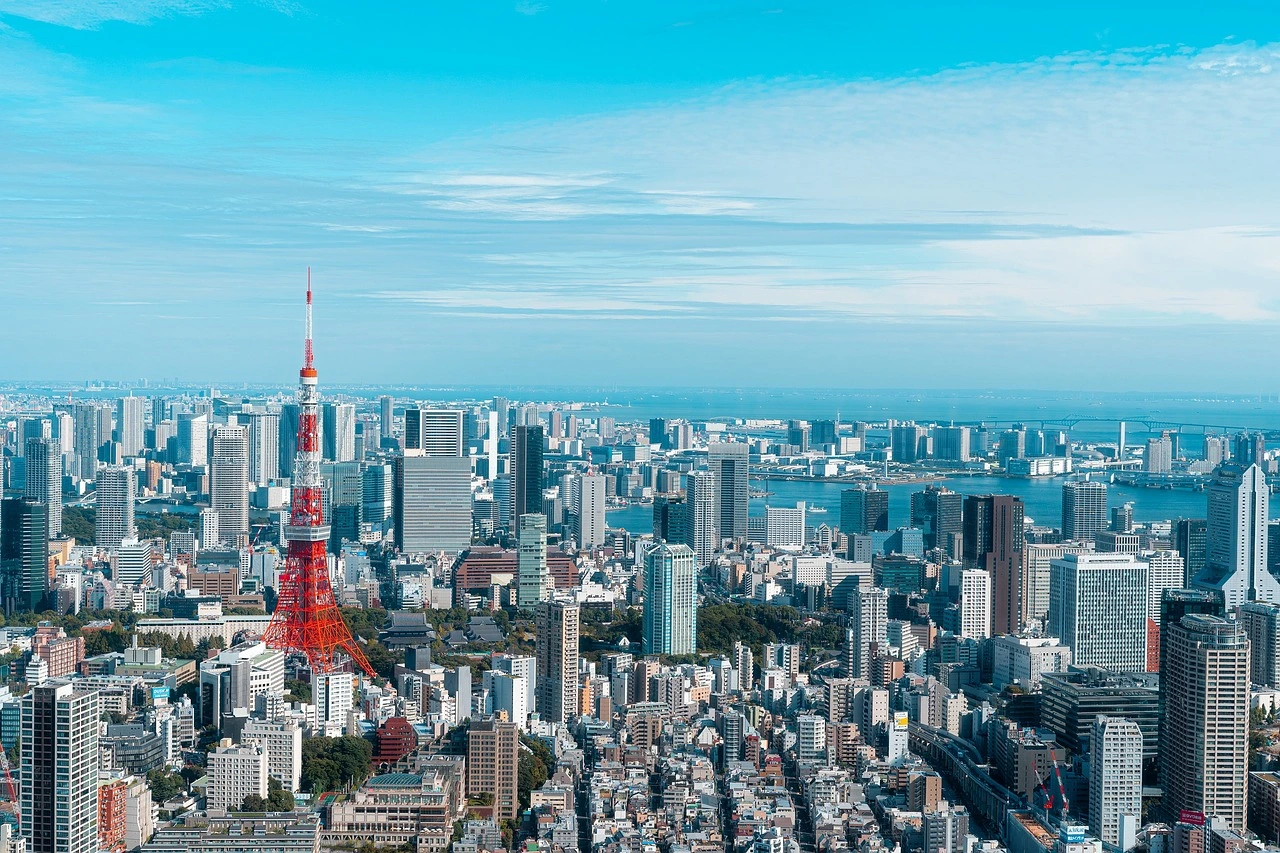
- Tokyo (3–5 nights): Neighborhoods, day trips, museums
- Kyoto (2–4 nights): Temples, gardens, historic streets
- Osaka (1–2 nights): Food, nightlife, easy airport access
Swap options:
- Add Hakone for onsen and Mt. Fuji views
- Add Hiroshima/Miyajima for history and scenery
Common Mistakes First-Timers Make (and Easy Fixes)
- Trying to see too many cities → Slow down
- Staying far from stations → Pay more for location
- Assuming JR Pass is always best → Calculate first
- Arriving without data → Install eSIM in advance
- Rushing Kyoto → Give it at least two days
Japan rewards preparation, but it doesn’t demand perfection. With these tips, your first trip can feel smooth, confident, and unforgettable - from the moment you land to your final Shinkansen ride.
FAQ: First Time in Japan
1. Do I need a visa to visit Japan?
Most short tourist visits (up to 90 days) are visa-free for U.S. passport holders. Always check official sources before departure.
2. What is Visit Japan Web and do I need it?
It’s an online system for immigration and customs. Using it speeds up arrival and reduces paperwork.
3. How much cash should I bring to Japan?
Many travelers carry $200 - 400 in cash and use cards for most other expenses.
4. Is Japan expensive for a first trip?
It can be affordable with business hotels, trains, and casual dining.
5. Should I get a Suica or PASMO card?
Yes. Either works for most travelers.
6. Can I use my credit card in Japan?
Yes, especially in cities but carry some cash.
7. Do people tip in Japan?
No. Tipping isn’t part of the culture.
8. Is it easy to travel Japan without speaking Japanese?
Yes. Signage, apps, and helpful locals make it manageable.
9. Is eSIM worth it in Japan?
For most travelers, yes - it’s the simplest and oftentimes cheapest option.