Free 1GB eSIM inside app





FIFA 2026 Travel Guide for International Fans
March 03, 2026
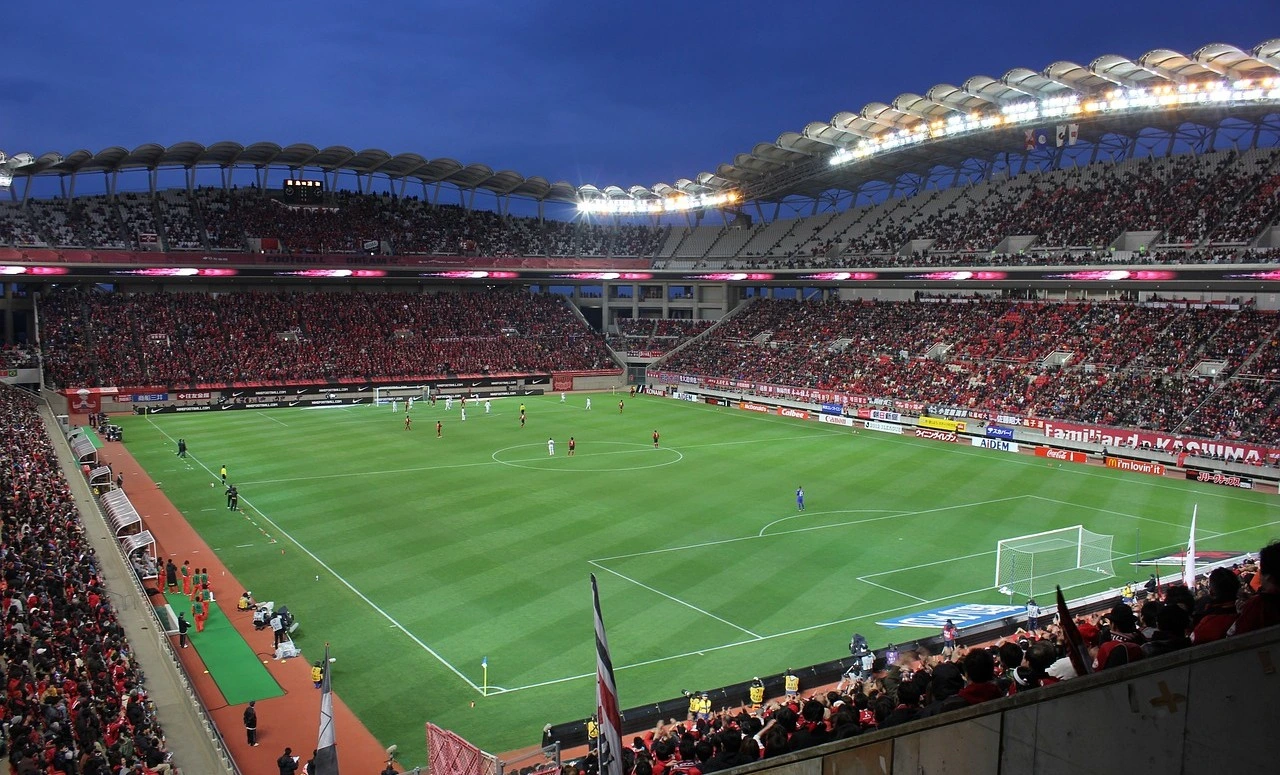
The FIFA World Cup 2026, starting on June 11th and ending on July 19th, will be the largest tournament in football history, and also the most complex to travel for. For the first time ever, the competition will be jointly hosted by the United States, Canada, and Mexico. That means longer travel distances, different currencies, multiple border crossings, and three separate mobile networks to navigate.
If you’re planning to follow your team across cities, or even across countries, this FIFA World Cup 2026 travel guide will help you prepare smartly. From understanding FIFA 2026 host cities to organizing flights, visas, and accommodation, we’ll break everything down step by step. One often overlooked detail? Connectivity.
Between digital tickets, stadium entry QR codes, Uber rides, Google Maps, live streaming, and sharing the moment on social media, reliable mobile data won’t be optional - it will be essential. Roaming charges between the USA, Canada, and Mexico can quickly add up, and airport SIM card lines during peak match days will be long.
This guide covers everything you need to know: from host cities to how to stay connected without expensive roaming charges.
What Makes FIFA World Cup 2026 Different?
The FIFA World Cup 2026 will make history in multiple ways.
First, it will be the first 48-team tournament, expanding from the traditional 32 teams. That means more matches, more venues, and a longer competition calendar. More teams also mean more traveling fans from around the world.
Second, it’s the first World Cup hosted by three countries. The FIFA World Cup 2026 host cities are spread across North America, covering thousands of kilometers from Vancouver to Mexico City and from Los Angeles to New York.
This introduces unique challenges for World Cup 2026 travel between USA, Canada and Mexico:
- Long-haul domestic flights within the U.S.
- International border crossings between host nations
- Different entry rules and visa requirements
- Separate currencies (USD, CAD, MXN)
- Different telecom networks in each country
The host regions roughly break down as:
- West Coast: Los Angeles, San Francisco, Seattle, Vancouver
- Central USA: Dallas, Houston, Kansas City
- East Coast: New York/New Jersey, Boston, Philadelphia, Miami, Atlanta
- Mexico hubs: Mexico City, Guadalajara, Monterrey
- Canada hubs: Toronto, Vancouver
Unlike previous tournaments where most matches were concentrated in one country, fans may need to plan multi-city and multi-country logistics carefully. Booking early and staying digitally connected will be key.

FIFA 2026 Host Cities & Travel Insights
Let’s break down what to expect by country.
USA Host Cities
The United States will host the majority of matches and venues.
New York/New Jersey
Matches will be played at MetLife Stadium. Major international gateway airports (JFK, Newark, LaGuardia) make access easy. However, accommodation prices will likely surge. Public transport is strong but crowded. Expect heavy network congestion on match days.
Los Angeles
A global sports capital with excellent flight connectivity (LAX). Traffic can be intense; ride-hailing apps will be essential. Hotel prices will spike significantly.
Miami
Hot and humid summer weather. Miami International Airport is a major hub for Latin American travelers. Public transport is limited so expect to rely on Uber or rental cars.
Dallas & Houston
Central hubs with large stadiums and strong domestic flight links. Affordable compared to coastal cities but still high during tournament weeks.
Atlanta
Major airport hub (one of the busiest in the world). Good metro system and solid public transport.
Seattle & San Francisco
West Coast venues with strong public transit options. Seattle weather may be mild; San Francisco is cooler than expected in summer evenings.
Boston, Philadelphia, Kansas City
Smaller but well-connected cities. Accommodation will fill quickly due to limited supply relative to demand.
In most U.S. cities, expect:
- Strong 5G networks
- Stadium-area congestion
- High hotel demand
- Higher-than-usual flight prices
Canada Host Cities
Toronto
Canada’s largest city and major international hub. Excellent public transport and walkability. Accommodation prices will be high, especially downtown.
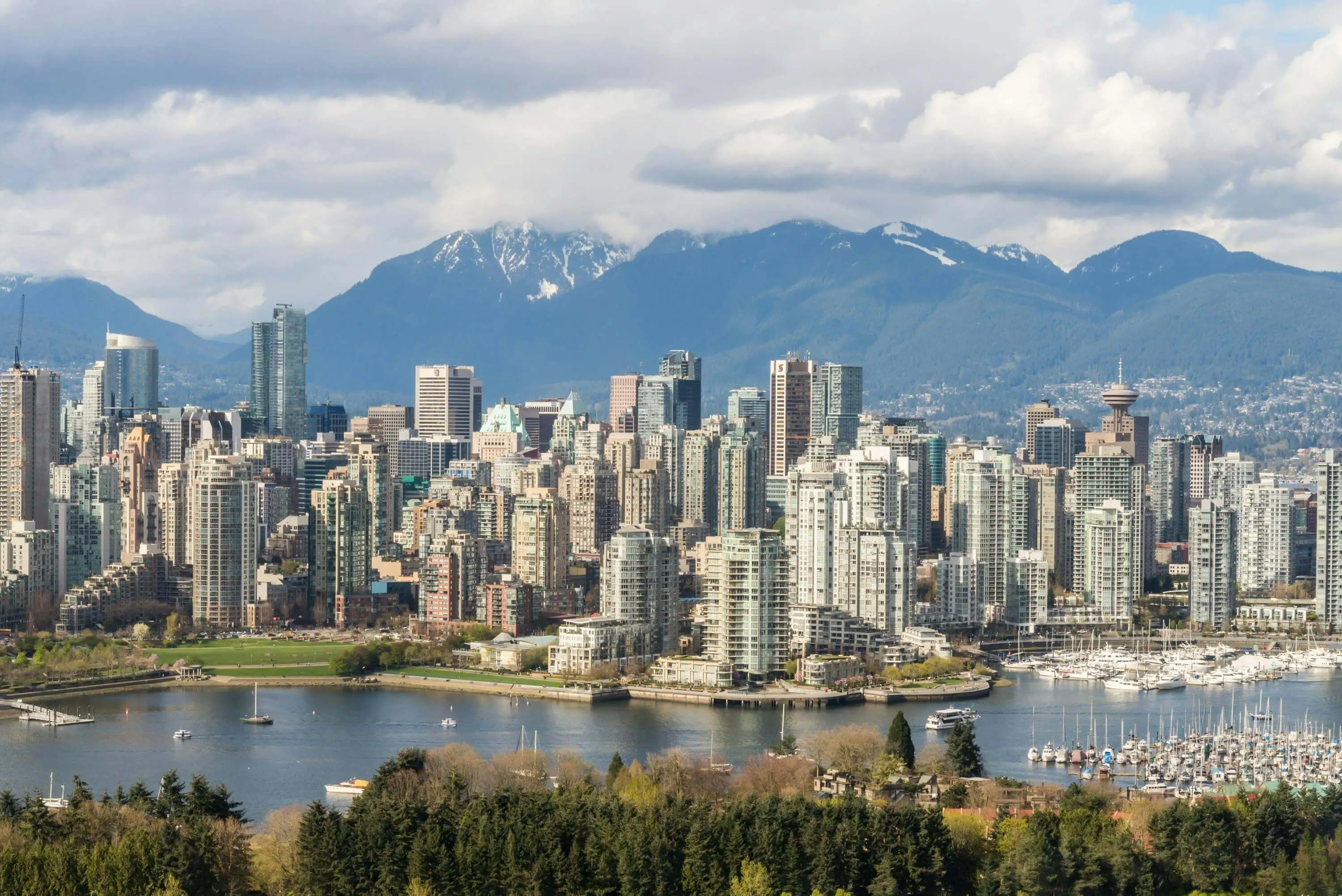
Vancouver
Scenic West Coast city with strong public transit and compact layout. The weather is usually mild in summer.
Important note for connectivity: Even though the USA and Canada share close ties, they operate different mobile carriers. Your U.S. SIM may not include free roaming in Canada unless explicitly stated. Data roaming between the two can be expensive.
Mexico Host Cities
Mexico City
High altitude, massive population, and vibrant culture. Expect heavy traffic. Spanish is dominant, though English is widely spoken in tourist areas.
Guadalajara
Cultural capital with modern infrastructure. Slightly more relaxed pace than Mexico City.
Monterrey
Northern industrial city close to the U.S. border. Strong stadium facilities and good transport.
Safety varies by neighborhood - stick to official transport and trusted accommodations.
Crossing Borders During the Tournament: What You Need to Know
This is where many fans underestimate complexity
- Roaming charges differ across the USA, Canada, and Mexico.
- Local SIM cards often don’t include cross-border coverage.
- Switching SIM cards at each border is inconvenient.
- Some phones may not be compatible with certain frequency bands.
- Airport SIM kiosks will likely have long queues.
If you land in New York, attend a match in Toronto, and later fly to Mexico City, your connectivity plan needs to cover all three countries seamlessly.
How to Plan Your World Cup 2026 Trip
Planning early is essential.
- Book flights early: Prices will surge as match schedules are finalized. Consider open-jaw tickets if traveling between countries.
- Secure accommodation in advance: Hotel prices may double or triple near stadium zones. Consider staying near public transport hubs rather than stadiums directly.
- Plan multi-city logistics: North America is vast. A flight from New York to Los Angeles is about 6 hours. Factor travel days into your schedule.
- Check visa and entry rules (Always verify requirements well in advance): Depending on your nationality, you may need separate entry approvals for:
- United States
- Canada
- Mexico
- Get travel insurance: Multi-country coverage is recommended.
- Download essential apps:
- Official FIFA ticket app
- Google Maps
- Uber/Lyft
- Public transit apps
- Translation apps
- Airline apps
- Digital wallet/payment apps
And all of these depend on one thing: reliable mobile data.
Why Connectivity Will Be a Major Issue at FIFA 2026
With millions of fans attending matches, mobile networks will be under heavy pressure.
Common problems include:
- Stadium WiFi overload
- Slow data speeds during kickoff and final whistle
- Expensive international roaming
- SIM card shortages at airports
- Cross-country roaming fees
Imagine this scenario: You land in New York. Your home SIM works, but roaming costs $10 - 15 per day. You attend matches, upload videos, and navigate the subway. Then you cross into Toronto and suddenly roaming charges increase or stop working. Later, you fly to Mexico City and must buy another SIM card.
That’s three separate connectivity setups in one trip. Learning how to stay connected during World Cup travel should be part of your core planning, not an afterthought.
Best Way to Stay Connected: eSIM for FIFA World Cup 2026
What is an eSIM?
An eSIM is a digital SIM that allows you to activate a mobile plan without inserting a physical SIM card. You scan a QR code, install the profile, and connect to local networks instantly.
Why eSIM is Ideal for World Cup Travel
For a multi-country tournament like FIFA 2026, a North America eSIM offers major advantages:
- Instant activation
- No physical SIM swapping
- Keep your home number active
- Avoid airport kiosk lines
- Avoid roaming fees
- Activate before departure
- Flexible data plans
Multi-Country eSIM Advantage
The biggest benefit for World Cup 2026 USA travel, World Cup 2026 Canada travel, and World Cup 2026 Mexico travel is seamless coverage.
Instead of buying:
- A SIM card for USA
- Another SIM card for Canada
- A third SIM card for Mexico
You can use one North America eSIM plan that works across all three.
No border interruptions. No SIM swapping. No surprise roaming bills.
Why Maaltalk eSIM Works Well for FIFA 2026
For fans attending multiple matches, Maaltalk offers:
- Easy QR-code setup in minutes
- Flexible data packages
- Reliable coverage across North America
- High-speed data suitable for maps, uploads, and streaming
- Plans designed for international travelers
Whether you need an eSIM for USA travel, eSIM for Canada travel, or eSIM for Mexico travel, choosing a multi-country option ensures uninterrupted connectivity.
For an event of this scale, having your data ready before kickoff simply reduces stress.

How Much Data Will You Need for the World Cup?
Here’s a rough estimate:
- Google Maps navigation: 5 - 10 MB per hour
- Social media scrolling: 100 - 200 MB per hour
- Uploading photos: 2 - 5 MB per photo
- Short videos: 20 - 50 MB each
- Video calls: 500 MB - 1 GB per hour
- Streaming highlights: 1 - 3 GB per hour
Suggested data plans:
- 5GB: Short single-city trip
- 10 - 20GB: Multi-city travel
- Unlimited: Heavy streaming and daily content sharing
If you plan to attend multiple matches and travel between countries, 10–20GB is typically a safe starting point.
Practical Travel Tips for World Cup 2026 Fans
- Arrive 3 - 4 days early to adjust to time zones
- Book airport transfers in advance
- Use public transport whenever possible
- Screenshot match tickets offline
- Download offline maps
- Activate your eSIM before landing
- Carry a portable charger
- Use a VPN on public WiFi
- Monitor data usage daily
- Keep digital copies of passport and visa documents
The smoother your digital setup, the smoother your tournament experience.
The FIFA World Cup 2026 will be the biggest tournament in history - across three countries and 16 cities. That scale brings excitement, but also complexity. From long-distance travel to border crossings and packed stadiums, preparation will define your experience.
Reliable connectivity is no longer optional. It’s essential for tickets, navigation, transport, payments, and sharing unforgettable moments.
FAQ: FIFA 2026 World Cup
1. Will my SIM card work in all three countries?
Not necessarily. Many local SIM cards are country-specific. Always check if roaming across the USA, Canada, and Mexico is included.
2. Is roaming free between the USA and Canada?
Some U.S. plans include Canada roaming, but international visitors often face extra charges. Confirm with your carrier.
3. Can I use the same eSIM in Mexico?
Yes, if you choose a multi-country North America eSIM plan that includes Mexico coverage.
4. How much data do I need for World Cup travel?
For a 2-week multi-city trip, 10 - 20GB is typically sufficient unless you stream frequently.
5. Is stadium WiFi reliable?
Stadium WiFi often becomes overloaded during peak moments. A personal mobile data plan is more dependable.
6. Can I activate an eSIM before I arrive?
Yes. We at Maaltalk allow you to install and activate before departure, so you’re connected immediately upon landing.
