Free 1GB eSIM inside app





Singapore Hawker Center Etiquette: What Does a Pack of Tissues on a Table Mean?
March 30, 2026
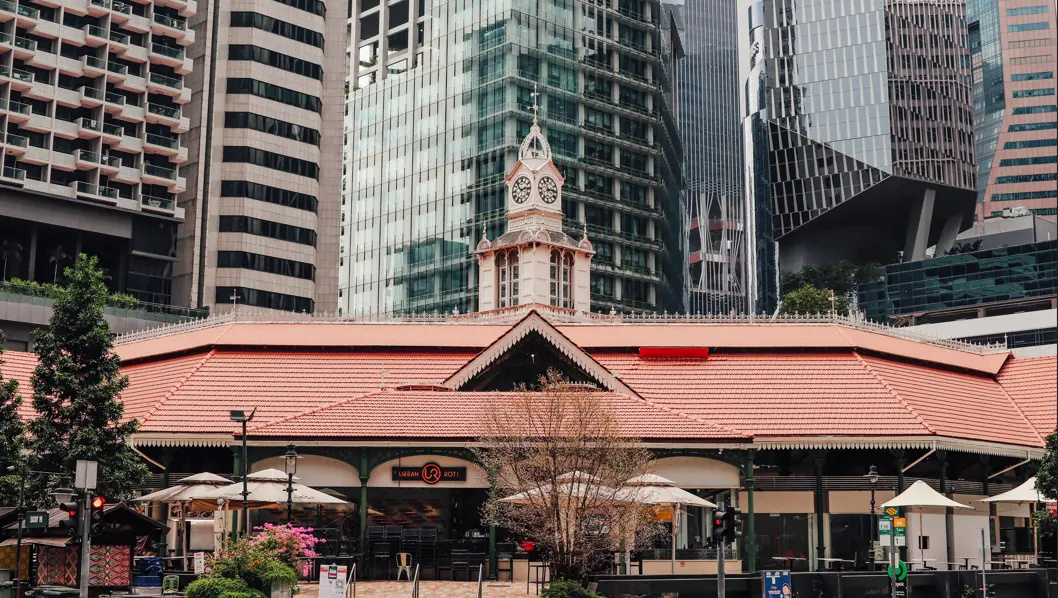
You’ve just stepped into a bustling Singapore hawker center. The air is filled with the aroma of sizzling noodles, grilled satay, and freshly brewed kopi. You spot an empty table, a small win in a crowded space, and head toward it.
But just as you’re about to sit down, you notice something: a simple packet of tissues sitting in the middle of the table. Is it forgotten? Is the table taken? Should you move it?
If this scenario feels confusing, you’re not alone. It’s one of the most common questions travelers have when experiencing Singapore hawker etiquette for the first time. The answer lies in a uniquely local practice called “chope.”
The good news? It’s not complicated - in fact, it’s a smart, efficient, and surprisingly charming system. Once you understand it, navigating Singapore’s famous food scene becomes not only easy, but even more enjoyable.
What Does a Pack of Tissues on a Table Mean in Singapore?
A packet of tissues on a table means the seat is reserved. In Singapore, this practice is known as “chope,” a local term for saving a seat.
Locals often use small, low-value items like tissue packets, umbrellas, or cards to reserve tables while they queue for food. It’s a widely respected system built on trust, and it works remarkably well.
What Is “Chope”? Understanding Singapore’s Unique Dining Culture
“Chope” is a Singlish term derived from the English word “chop,” meaning to stamp or mark something. In Singapore, it has evolved into a verb that means to reserve a seat or space.
At first glance, leaving personal items unattended in a busy food court might seem unusual. But in Singapore, it reflects something deeper: a culture rooted in efficiency, mutual respect, and social trust.
Hawker centers are an essential part of daily life. They’re where office workers grab quick lunches, families gather for affordable meals, and travelers experience some of the best food in the city. During peak hours, finding a seat can be the hardest part of the process - and that’s exactly where “chope” comes in.
Instead of carrying trays around searching for a place to sit, people secure a table first, then order their food. It’s simple, practical, and keeps everything moving smoothly.
For many visitors, understanding this small habit opens a window into Singapore’s broader culture - one that values order without sacrificing warmth.

Why This System Actually Works (And Why Locals Love It)
At first, the idea of reserving a table with something as small as a tissue packet might sound risky. But in Singapore, it works, and locals genuinely appreciate it.
Here’s why:
It saves time
Hawker centers can get very busy, especially during lunch and dinner hours. By reserving a seat first, diners avoid the stress of searching for a table while holding hot food.
It reduces congestion
Without “chope,” people would wander around with trays, creating unnecessary crowding. The system keeps the flow organized and efficient.
It’s built on trust
One of the most remarkable aspects of “chope” is how widely it’s respected. People simply don’t take tables that have been reserved, even if the “marker” is something as small as a packet of tissues.
It reflects community mindset
Rather than competing for space, everyone participates in a shared understanding. It’s a small but powerful example of how social norms shape everyday life in Singapore.
How to Use “Chope” Like a Local
Once you understand the concept, using “chope” yourself is easy. Here’s how to do it confidently:
Step 1: Find a Table First
Before ordering your food, walk around and look for an available table. This is especially important during peak hours.
Step 2: Leave an Item
Place a small item on the table to reserve it. A packet of tissues is the most common choice, but you can also use something like a water bottle or umbrella.
Step 3: Order Your Food
Head to your chosen stalls and queue up. Take your time and your seat is secured.
Step 4: Return and Enjoy
Come back to your table, settle in, and enjoy your meal without worrying about finding a place to sit. It’s that simple and after trying it once, it quickly becomes second nature.
What NOT to Do at Hawker Centers
Understanding what to avoid is just as helpful as knowing what to do but don’t worry, the etiquette is straightforward.
- Don’t take a table with items on it: Even if it looks like just tissues, it means the table is taken.
- Don’t move someone’s belongings: This is considered disrespectful, even if the item seems insignificant.
- Don’t reserve more space than you need: “Choping” an entire large table for one or two people during busy hours isn’t ideal.
These aren’t strict rules, but rather shared habits that help keep the system fair and enjoyable for everyone.
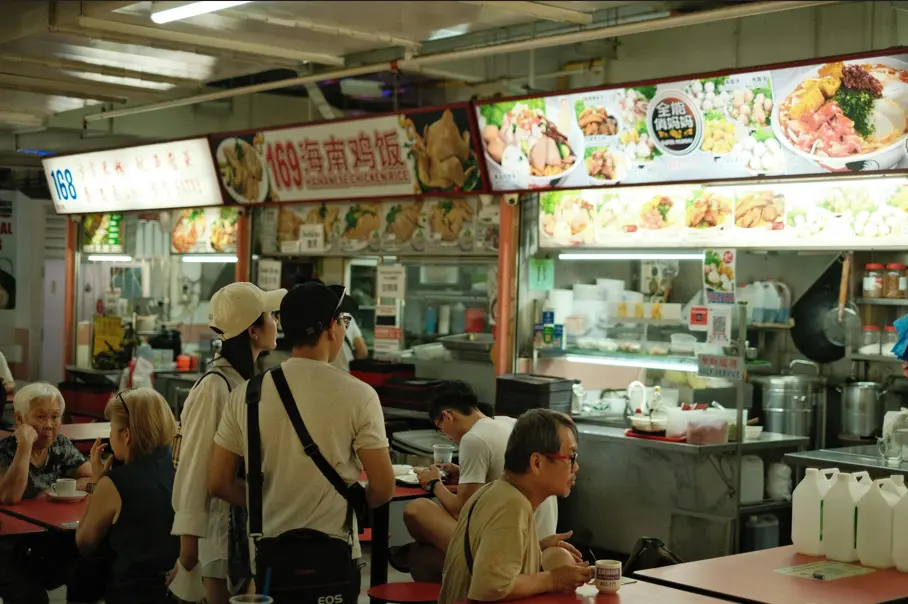
First-Time Visitor Tips for Singapore Hawker Centers
If it’s your first time exploring Singapore’s hawker center culture, here are a few extra tips to make your experience smooth and enjoyable:
Sharing tables is normal
Don’t be surprised if you’re asked to share a table with others. It’s a common and friendly practice.
Meals are incredibly affordable
One of the best parts of Singapore street food is the price. You can enjoy a delicious meal for around $3 to $10, making it one of the most accessible food scenes in the world.
Bring some cash (but cards are common too)
Many stalls accept card payments today, but having some cash is still useful.
Return your tray
Singapore has a tray return culture in hawker centers. After eating, simply bring your tray to the designated return stations.
Avoid peak hours if possible
Lunch (12–2 PM) and dinner (6–8 PM) can be very busy. Visiting slightly earlier or later can make your experience more relaxed.
Best Hawker Centers to Experience This Culture
To truly understand Singapore hawker etiquette and the “chope” culture, visiting the right places makes all the difference.
Maxwell Food Centre
Address: 1 Kadayanallur St, Singapore 069184
A favorite among both locals and tourists, known for its iconic dishes and lively atmosphere.
Lau Pa Sat
Address: 18 Raffles Quay, Singapore 048582
Famous for its historic setting and evening satay street, it offers a slightly more polished hawker experience.
Chinatown Complex Food Centre
Address: 21 Banda St, Singapore 050005
One of the largest hawker centers in Singapore, offering an incredible variety of affordable food options. Each of these locations showcases the beauty of Singapore’s food culture - and yes, you’ll definitely spot plenty of tissue packets quietly reserving tables.
Staying Connected While Exploring Singapore’s Food Scene
Exploring hawker centers is an adventure in itself. From finding the best stalls to navigating menus and reading reviews, having reliable internet can make a big difference.
Many travelers rely on mobile data to:
- Check food recommendations
- Navigate busy hawker centers
- Translate menus
- Make quick digital payments
This is where using an eSIM becomes incredibly convenient. Instead of searching for SIM cards after arrival, you can get connected instantly.
Services like our Maaltalk Singapore eSIMs offer affordable and easy-to-use options for Singapore, making it simple to stay connected from the moment you land. It’s a practical way to enhance your travel experience - especially when you’re hopping between food spots and exploring the city.

Why Understanding Small Cultural Habits Makes Travel Better
At its core, travel isn’t just about seeing new places, it’s about understanding how people live, eat, and interact.
Something as small as a packet of tissues on a table might seem insignificant at first. But once you understand it, it becomes a symbol of something bigger: trust, efficiency, and shared understanding.
Instead of feeling unsure or out of place, you start to feel like you’re part of the rhythm of the city. And that’s where the real magic of travel happens, not just in the landmarks, but in the everyday moments.
So the next time you see a tissue packet on a table in Singapore, you’ll know exactly what it means. And more importantly, you’ll know how to be part of the experience.
FAQ: Singapore Hawker Etiquette
1. Is it rude to take a table with tissues on it?
Yes, it’s best not to. The tissues indicate that someone has reserved the table.
2. What does “chope” mean in Singapore?
“Chope” means to reserve a seat, usually by placing a small item on a table.
3. Can I use something other than tissues to reserve a table?
Yes, items like umbrellas, water bottles, or cards are commonly used.
4. Is it safe to leave belongings unattended?
Generally, yes. Singapore has a strong culture of trust, and this practice is widely respected.
5. How much does food cost at hawker centers?
Most meals range from $3 to $10, making it an affordable and delicious option.
6. Are hawker centers hygienic?
Yes, they are government-regulated and maintain high cleanliness standards.