Free 1GB eSIM inside app





Where to Go in Europe in February: 12 Best Places for Sun, Snow & Festivals
January 15, 2026
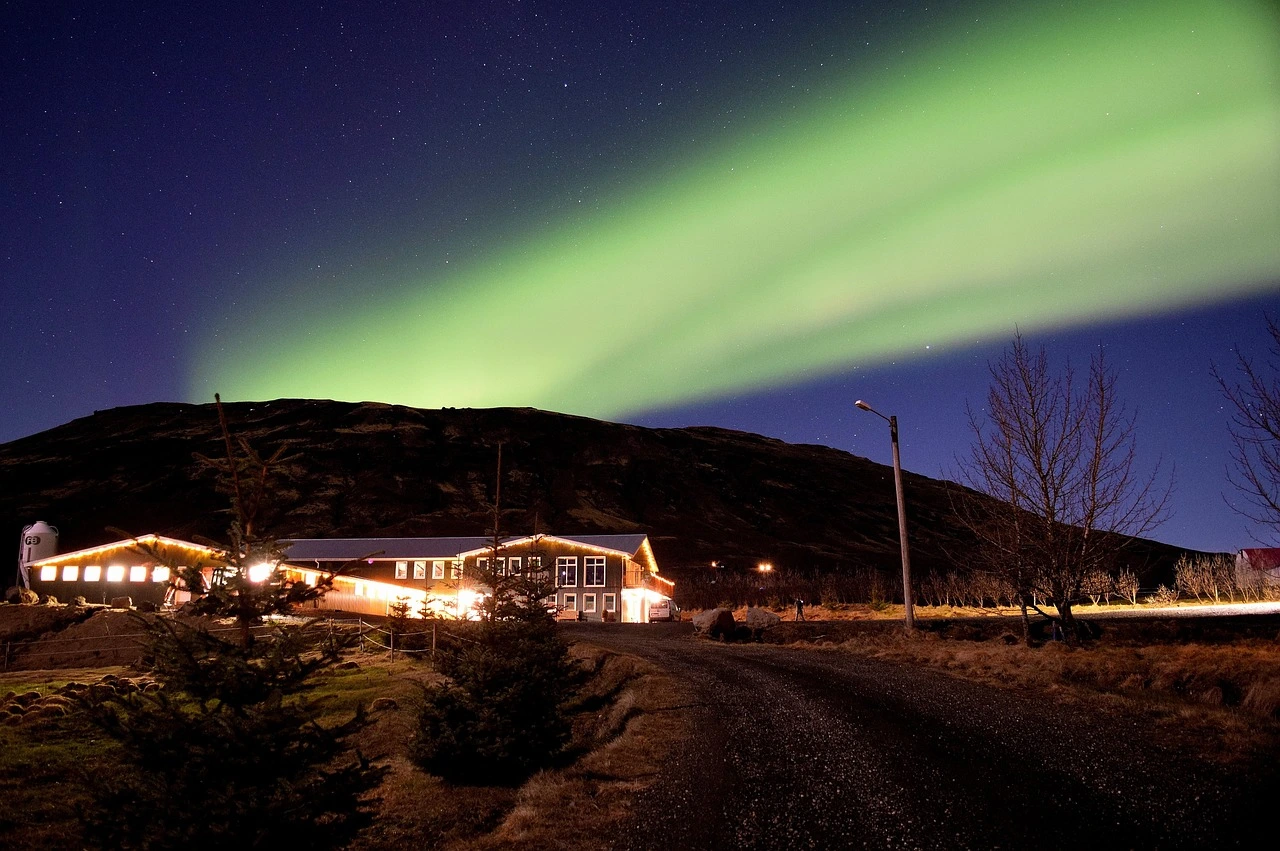
February is one of Europe’s most underrated travel months. Flights are often cheaper than spring and summer, crowds thin out across major cities, and winter brings a mix of cozy culture, snow adventures, and early hints of sunshine depending on where you go.
Whether you’re chasing mild island weather, atmospheric old towns, world-famous Carnival celebrations, or Northern Lights far above the Arctic Circle, Europe in February rewards travelers who plan smartly. Hotels are more flexible, museums are quieter, and iconic places feel far more local than they do during peak season.
This guide breaks down where to go in Europe in February based on what actually matters: weather, cost, crowd levels, and overall travel vibe. You’ll find warm escapes, budget-friendly cities, snow destinations, and festival highlights - plus tips on how to choose the right destination for your travel style.
If you’re deciding between sun and snow, culture or nature, or value versus once-in-a-lifetime experiences, this list will help you narrow it down fast.
Europe in February at a Glance
If you want the short version, here’s how February travel in Europe breaks down:
- Warmest places: Canary Islands, Madeira, southern Spain
- Best festivals: Venice Carnival, Nice Carnival (dates vary yearly)
- Best snow destinations: Swiss Alps, Dolomites, Austrian Alps
- Best for Northern Lights: Tromsø, northern Iceland
- Best budget city breaks: Budapest, Lisbon, Prague
February is ideal if you want fewer crowds without sacrificing experiences. Some seasonal attractions may have reduced hours, but major sights, museums, and public transport continue operating normally across Europe.

How to Pick the Right February Destination
If You Want Warmth
Southern Europe and Atlantic islands offer the most reliable mild temperatures. You won’t find beach-swimming weather everywhere, but daytime sightseeing in a light jacket is common.
If You Want Winter & Snow
Mountain regions and northern Europe are fully in winter mode. Ski towns are active, and Arctic regions offer peak aurora conditions.
If You Hate Crowds
Avoid major festival weeks (especially Venice Carnival). Mid-week city breaks in Central and Eastern Europe stay quiet and affordable.
If You’re Budget-Focused
February brings strong value in cities with good flight access and lower accommodation demand especially outside festival dates.
Packing note: Layers are essential. Waterproof shoes, a compact umbrella, and a power bank make winter travel much smoother.
Europe in February: Destination Comparison Table
| Destination | Warmth | Best For | Crowd Level |
|---|---|---|---|
| Canary Islands | Mild–Warm | Winter sun, beaches | Low |
| Madeira | Mild | Hiking, scenery | Low |
| Lisbon | Mild | Value city break | Low–Medium |
| Seville | Mild | Culture, food | Low |
| Rome | Cool | History, museums | Medium |
| Venice | Cool | Carnival, photography | High (Carnival) |
| Nice | Mild | Carnival, Riviera | Medium |
| Budapest | Cold | Thermal baths | Low |
| Prague | Cold | Cozy city vibes | Low |
| Swiss Alps | Cold/Snow | Skiing | Medium |
| Tromsø | Arctic | Northern Lights | Low |
| Iceland | Cold | Winter landscapes | Low |
The 12 Best Places to Go in Europe in February
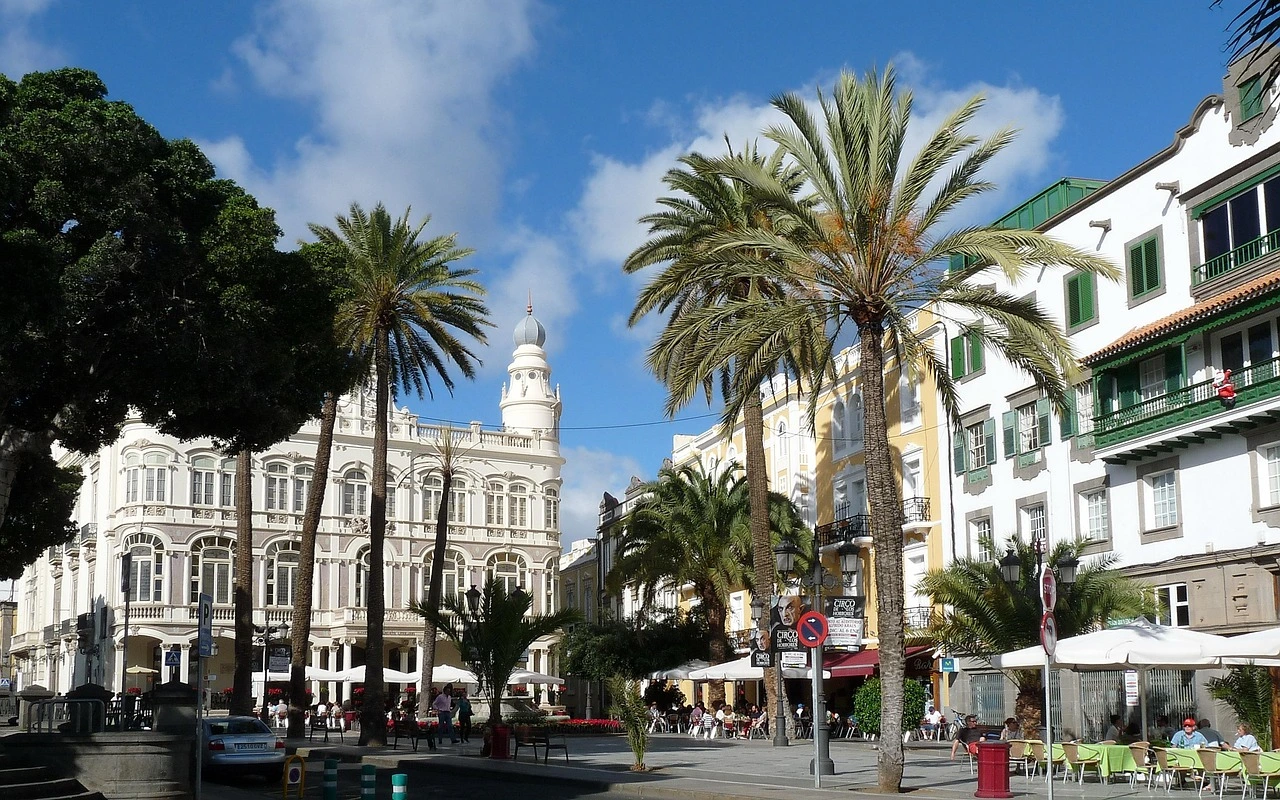
1. Tenerife or Gran Canaria, Canary Islands
Tenerife and Gran Canaria are among the warmest destinations in Europe in February, with mild temperatures and consistent sunshine throughout the month.
Top things to do:
- Beach walks and coastal hikes
- Teide National Park viewpoints
- Outdoor dining year-round
2. Madeira, Portugal
Madeira offers mild February weather and green landscapes, making it a strong choice for travelers focused on nature and outdoor scenery.
Top things to do:
- Levada walks
- Cliffside viewpoints
- Local wine tasting
3. Lisbon, Portugal
Lisbon works well as a February city break thanks to cooler temperatures, fewer crowds, and generally lower prices than spring and summer.
Top things to do:
- Alfama neighborhood walks
- Belém pastries and riverside views
- Tram rides without summer lines
4. Seville, Spain
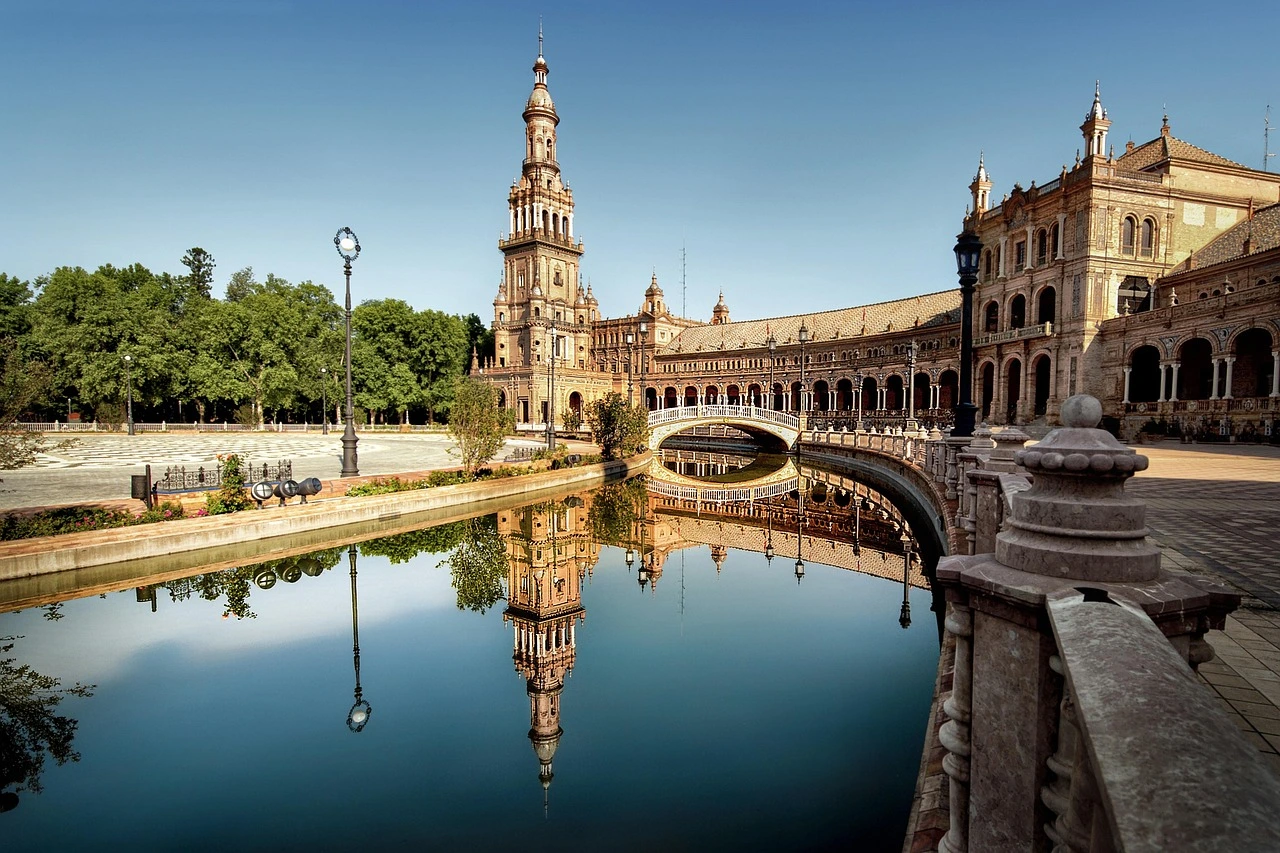
Seville experiences comfortable winter temperatures in February, allowing for sightseeing and dining without the heat common later in the year.
Top things to do:
- Alcázar palace
- Tapas hopping
- Day trips to Córdoba or Granada
5. Rome, Italy
Rome in February is cooler and less crowded than peak season, which makes visiting major historical sites more manageable.
Top things to do:
- Vatican Museums
- Colosseum with fewer lines
- Café hopping
6. Venice, Italy (Carnival Season)
Venice is at its most distinctive in February during Carnival, when events and costumes draw visitors despite colder temperatures.
Top things to do:
- Masked Carnival events
- Early morning St. Mark’s Square
- Quiet neighborhoods like Dorsoduro
7. Nice & Menton, France
Nice and Menton combine mild Mediterranean winter weather with seasonal festivals, including the Nice Carnival and Menton’s citrus celebrations.
Top things to do:
- Nice Carnival parades
- Menton’s citrus festival
- Promenade walks
8. Budapest, Hungary
Budapest remains cold in February, but its thermal baths and lower travel costs make it appealing during the winter months.
Top things to do:
- Széchenyi Baths
- Ruin bars
- Danube views
9. Prague, Czechia
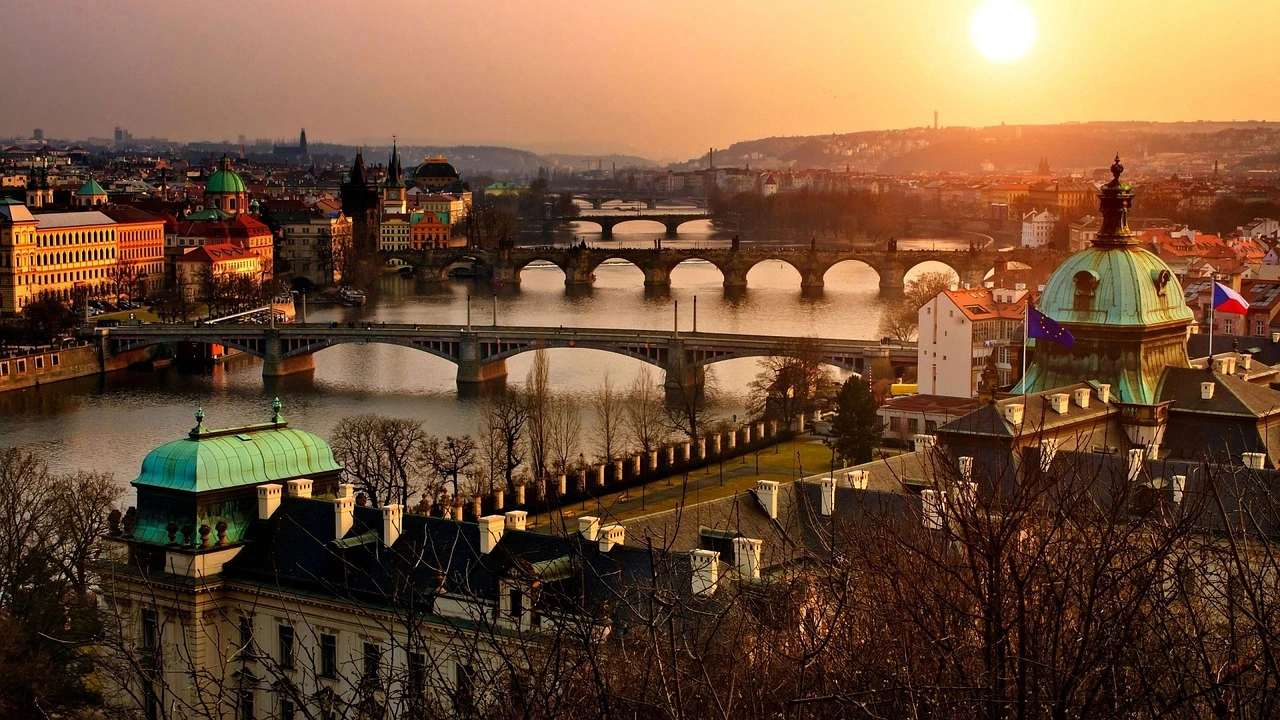
Prague in February offers a quieter atmosphere, with winter conditions that suit travelers interested in architecture, cafés, and cultural events.
Top things to do:
- Charles Bridge sunrise walks
- Café culture
- Classical concerts
10. Zermatt or the Swiss Alps
The Swiss Alps are in peak winter condition in February, making them a reliable choice for skiing and alpine village stays.
Top things to do:
- Skiing or snowshoeing
- Mountain railways
- Cozy chalets
11. Tromsø, Norway
Tromsø is one of the most reliable places in Europe to see the Northern Lights in February due to long nights and stable winter conditions.
Top things to do:
- Aurora tours
- Dog sledding
- Sami culture experiences
12. Reykjavík & Iceland’s South Coast
Reykjavík and Iceland’s South Coast are popular in February for winter scenery, ice caves, and Northern Lights tours, despite cold and variable weather.
Top things to do:
- Ice caves
- Waterfalls
- Northern Lights tours
Sample 7-Day February Itineraries
Warm Week
- Lisbon (2 nights)
- Madeira (5 nights)
Carnival + Culture
- Venice (3 nights)
- Bologna or Verona (2 nights)
- Milan (2 nights)
Aurora Adventure
- Tromsø (4 nights)
- Guided day tours (2 nights)
- Flex/weather buffer (1 night)
Budget & Booking Tips for February
- Fly midweek for lower fares
- Use open-jaw tickets when possible
- Book Carnival accommodations early
- Add buffer days in winter-weather regions
- Book popular train routes in advance
Connectivity in Europe
February travel in Europe can involve more logistics than peak-season trips. Short daylight hours, winter rail schedules, and weather-related disruptions mean travelers rely more heavily on real-time information than they might expect.
When travelling to Europe, most people choose between three options:
- Europe eSIM: Activated before departure, no physical SIM card required
- Physical SIM: Purchased after arrival, requires swapping cards
- Pocket Wi-Fi: Shared connection, one device to carry and recharge
For trips that involve multiple countries or tight arrival timelines, having data set up in advance can remove friction on day one. Our Maaltalk Europe eSIM can be installed before you fly, which is useful when navigating airports, train stations, and hotel check-ins without needing to search for a SIM shop on arrival.
And if you want to test our eSIM before committing, we also offer a free one-time 1GB eSIM for MaatalkNow App users.
Frequently Asked Questions (FAQ)
1. Is February a good time to visit Europe?
Yes, fewer crowds, lower costs, and winter-only experiences make it a strong travel month.
2. Where is it warm in Europe in February?
The Canary Islands, Madeira, and southern Spain are the warmest options.
3. Where can I see the Northern Lights in February?
Northern Norway and Iceland offer excellent conditions.
4. Is Europe cheaper in February?
Generally yes, outside major festivals.
5. What should I pack?
Layers, waterproof shoes, and a warm outer jacket.
6. Is Venice too crowded during Carnival?
During peak Carnival dates, yes - early mornings help.
7. Do I need a rental car?
Depends on destination; cities don’t require one, Iceland often does.
8. How much mobile data do I need?
Most travelers use a 5–10GB Europe eSIM for a 1–2 week trip.